Oil Prices Climb as Investors Await Trump's Iran Ultimatum
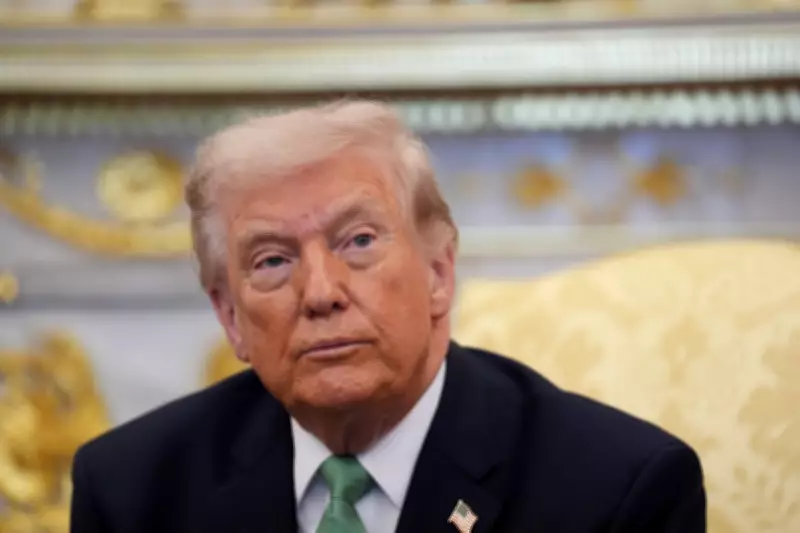
The price of oil moved higher on Tuesday as global financial markets adopted a cautious stance ahead of US President Donald Trump's deadline for Iran to agree to reopen the Strait of Hormuz. The US leader has threatened to launch a major attack on Iranian infrastructure if a ceasefire deal is not reached by 1am UK time on Wednesday.
Escalating Threats and Market Reactions
President Trump intensified his rhetoric on Tuesday afternoon, posting on his Truth Social platform that "a whole civilisation will die tonight" if Tehran does not end its blockade of the strategic waterway. This escalation contributed to tentative trading across global markets as investors weighed the potential for either diplomatic resolution or further military conflict.
The price of Brent crude oil increased by approximately 1.5% to $111.4 per barrel during early trading and maintained that level throughout the day. This represents a significant 53% increase compared to prices before the conflict began in late February, resulting in sharp rises in petrol and diesel costs for consumers worldwide.

London Markets Swing into Negative Territory
In London, the FTSE 100 opened slightly higher but quickly reversed course, moving into negative territory as the trading session progressed. Losses deepened throughout the day, with the index closing down approximately 0.8%, shedding 87.5 points to finish at 10,348.79.
Richard Hunter, head of markets at Interactive Investor, commented: "In the immediate term investors are facing a binary event – ceasefire or further escalation of the conflict. Asian markets provided little direction overnight, leading to a subdued UK mood although the main indices made cautious progress in opening exchanges."
European Market Performance and Broader Concerns
Elsewhere in Europe, market performance was mixed. The German Dax index fell by about 1%, while the French Cac 40 managed to hold onto gains of around 0.7%. These divergent movements reflect the uncertainty prevailing across global financial centers.
Hunter added further context regarding the UK's domestic challenges: "The FTSE 250 remains down by 3.4% so far this year, weighed down by a cocktail of domestic economic issues and the more general risk-off approach which has blighted other global markets."
Despite the heightened tensions, traders maintain hope that a diplomatic breakthrough can still be secured, though recent peace talks have shown little substantive progress toward resolution. The situation continues to evolve as the deadline approaches, with market participants closely monitoring developments that could significantly impact global energy supplies and economic stability.