Oil Prices Surge as US-Iran Peace Process Collapses After Ship Seizure
Oil prices experienced a sharp increase on Monday following a significant escalation in tensions between the United States and Iran. The benchmark Brent crude jumped by 5 percent to reach 94.72 US dollars per barrel during morning trading. This surge comes after US forces seized an Iranian cargo ship, plunging the fragile peace process between the two nations into disarray and casting doubt on the full reopening of the crucial Strait of Hormuz.
Immediate Impact on UK Households
The renewed uncertainty is set to have a direct impact on households across the United Kingdom. Consumers are facing immediate increases in petrol and diesel costs at fuel pumps, with the prospect of rising energy bills later in the year becoming more likely. This situation is particularly concerning given the US-Iran ceasefire is due to expire on Wednesday, adding further pressure to global energy markets.
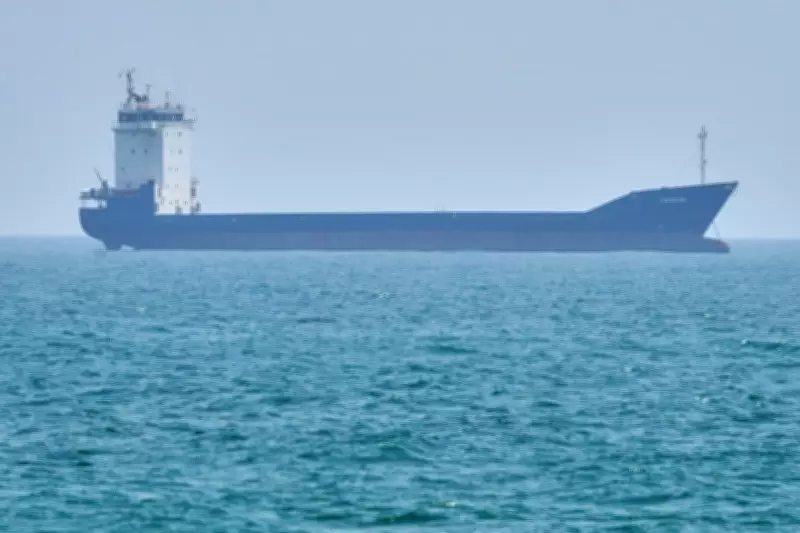
The Strait of Hormuz, a vital shipping route for oil and gas, had seen prices tumble on Friday after Iran declared it open. However, Monday's developments have reversed that trend, reflecting the volatile nature of the geopolitical landscape. The US action against the Iranian vessel Touska has effectively dashed hopes for a diplomatic breakthrough that would ensure stable navigation through this critical waterway.

Military Action and Diplomatic Fallout
US President Donald Trump confirmed that the USS Spruance stopped the Touska "by blowing a hole in the engine room" after the vessel ignored warnings to stop. US Central Command reported that marines then seized the ship after rappelling from helicopters. This aggressive move has thrown scheduled peace talks into question, with negotiations originally planned to continue in Pakistan now uncertain.
President Trump warned that if Tehran did not agree to a deal, his military would "knock out every single power plant and every single bridge in Iran," adding there would be "no more Mr Nice Guy." Reports from Iranian state media suggest Tehran may refuse to participate in further talks following this incident.
International Response and Market Reactions
Meanwhile, UK Foreign Secretary Yvette Cooper emphasized that any agreement must not allow Iran to charge tolls for passage through the Strait of Hormuz. She stated that proposals had been circulating from Iran to introduce such tolls once the conflict concludes. Cooper highlighted international efforts to build consensus on reopening the strait and restoring freedom of navigation without restrictions or tolls.
"It is clear to me from my talks that an increasing number of countries are now joining the UK in insisting that there is no sustainable resolution to the closure of Hormuz that leaves the Iranian regime charging for access," Cooper said.
Financial markets reflected the tension, with the FTSE 100 Index down 0.5% at 10611.18 as trading remained volatile. The combination of geopolitical instability and energy market uncertainty continues to create challenging conditions for global economies.