
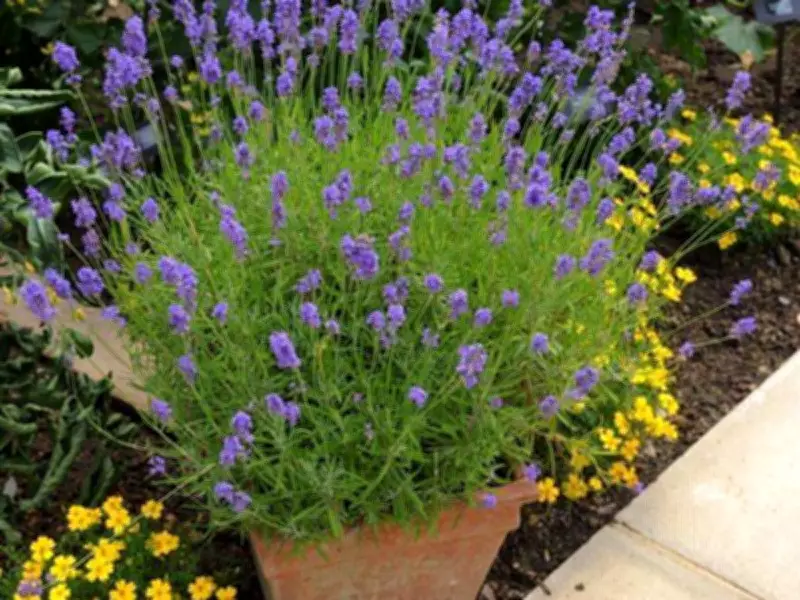
Lavender's distinctive aroma makes it a popular choice for British gardens, but many gardeners mistakenly believe the Mediterranean native requires no watering at all. The Royal Horticultural Society (RHS) advises that young and potted lavenders need regular watering to establish strong roots and prevent wilting.
According to the RHS, lavender planted in the ground this spring should be watered once or twice weekly during its first summer. In hot weather, container-grown lavender may need more frequent watering, as the limited soil volume dries out quickly. Gardeners should water thoroughly until moisture drains from the pot's holes, then allow the compost to almost dry out before watering again.
Overwatering is a common mistake that can lead to root rot and fungal diseases such as Botrytis and Septoria leaf spot. Botrytis appears as grey mould at the plant's base, causing yellowing and drooping leaves, while Septoria leaf spot creates tiny grey marks that weaken the plant. To avoid these issues, water at the root base in the morning, keeping flowers and leaves dry.
Once lavender completes its first growing season and its taproot reaches deep soil, additional watering is rarely needed. In the UK, established lavender typically thrives on rainfall alone, except during prolonged drought. The RHS emphasises that overwatering mature plants does more harm than good.




