The oil price has soared again, prompting panic in Downing Street about what lies ahead. With the Strait of Hormuz still blockaded and fears of recession and inflation mounting, the government is bracing for the worst while hoping for a swift resolution.
Downing Street in Crisis Mode
Ministers have been instructed to prioritize the economic impact of the Iran war, with officials ordered to run models on every possible outcome and timeline. Meetings are occurring around the clock to discuss, analyze, and plan, according to two Westminster sources this week. On the surface, there is a semblance of calm; underneath, a frenzy of activity prevails. What occupies minds is the economic fallout from the conflict. Despite claims from Donald Trump and Pete Hegseth that Iran's military is obliterated and the world is safer, markets tell a different story.
Oil Price Volatility
The oil price continues to lurch on the slightest news, leaping up one minute and down the next. Overall, the trend is upward, rising by $30 a month as every month passes without resolution and the reopening of the Strait of Hormuz. On Thursday, it reached a four-year high of $126, sparking further spasms in the City, the Bank of England, and Whitehall. Analysts predict $180 soon, a minimum figure that could be left behind if Trump restricts US supply of crude, diesel, and jet fuel. Come what may, he will put America first. Having provoked the storm, he is unlikely to risk undermining his position by ignoring his own people—their needs will dominate, meaning even less for the rest of the world. His argument is that NATO did not come to his aid when Tehran fought back, so why should he help them now?

Political Fallout
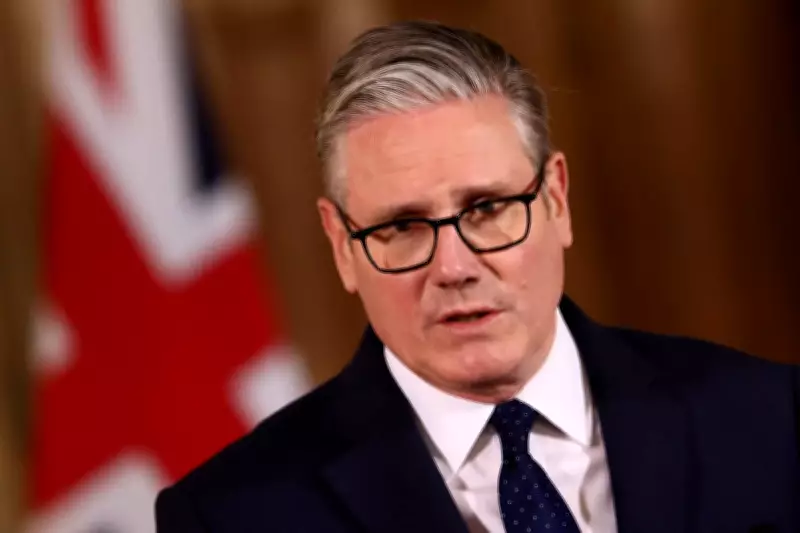
The government's opponents have wasted no time blaming Keir Starmer and his policies for worsening the situation. Realistically, this is a stretch. Claiming he could open the North Sea overnight as a magic panacea is ridiculous. It is true that business cannot forgive Labour for the employers' national insurance spike and the minimum wage increase, though the latter followed the Low Pay Commission's recommendation. Local elections loom, but extracting political capital from a deepening crisis does not hold water. Even if Starmer had leapt to Trump's assistance—British military bases were made available—it would make little difference. This has the potential for international catastrophe, steered by events far outside Britain's control. The Tories would do well to remember Harold Macmillan's famous retort, 'Events, my dear boy, events,' when asked what could knock a government off course. Whether Macmillan's government was in better shape does not matter. The country faces a hole not of its own choosing.
Wider Economic Consequences
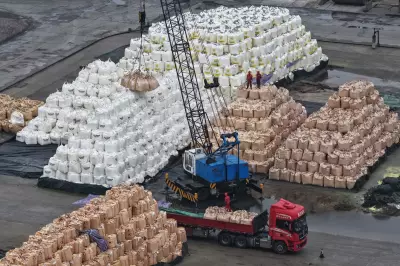
While the focus is on oil and gas, the closure of the vital shipping chokepoint has dire consequences. Svein Tore Holsether, CEO of Yara, one of the world's biggest fertiliser producers, warns of a slowdown in food production, with up to 10 billion meals a week potentially affected. 'We're up to half a million tons of nitrogen fertiliser not being produced in the world right now because of the situation we are in,' he told the BBC. 'What does that mean for food production? I would get up to 10 billion meals that will not be produced every week as a result of the lack of fertilisers.' Britain will likely still be fed as a wealthy nation, but a fertiliser shortage means crop yields will fall, leading to higher prices. We will pay more for food, as for everything else caught in the maelstrom. This is not just an energy shock but a widespread, multi-faceted commodity shock affecting many vital goods and sectors.

Recession and Inflation Risks
Economies, including the UK, still feeling the after-effects of the pandemic, grappling with rising costs and disrupted supply chains, and Trump's tariff hikes, are teetering. Recession beckons almost everywhere, along with the prospect of social disorder. Desperate to avert inflation, central banks signal rate increases ahead. This will likely bring higher unemployment (already weak due to other issues and AI advances) and borrowing costs, potentially causing meltdown in heavily borrowed tech and private credit finance, sparking contagion into banking. For now, we are not there. The date ringed on UK government calendars is July, when the new energy price cap is set. So far, the war's repercussions are being absorbed. Petrol at the pumps is more expensive but drivers cope; airlines still fly; fares have yet to soar. One saving grace is that summer is upon us, reducing heating bills. But it is also travel season, and European holiday operators are a bag of nerves. It is hardly consolation that they are not alone in their anxiety.
Need for a Resolution
What is required is a quick end, but it is hard to see how that will arise. The rest of the world pressures Trump and Hegseth, but they seem to bat away concerns, insisting they pursue a higher calling: to deny Iran a nuclear weapon. They may resort to troops on the ground to force an Iranian climbdown, but the argument goes that their efforts at regime change have merely emboldened the regime, making it stronger, and Tehran will not capitulate easily. Hormuz is blockaded; economic activity is blocked. Let us pray for a hasty resolution. In the meantime, the number-crunchers are working overtime.