Jet fuel costs have rocketed amid a global shortage caused by conflict in the Middle East, prompting airlines worldwide to cancel flights, hike fares, and introduce surcharges. Budget carrier Spirit Airlines is reportedly on the verge of collapse after failing to secure a $500 million government bailout, with soaring fuel costs rapidly depleting its cash reserves.
Global Impact on Airlines
United Airlines CEO Scott Kirby warned that ticket prices may need to rise by 15 to 20 per cent to offset the surge in fuel costs. Lufthansa Group announced it would cancel 20,000 flights over the next six months to save 40,000 metric tonnes of jet fuel, which has doubled in price. The German carrier has permanently removed 27 aircraft from its regional subsidiary Lufthansa CityLine.
In the UK, British Airways-owner IAG is considering pricing adjustments, though a spokesperson stated: "We are not seeing jet fuel supply interruptions, but fuel prices have risen sharply." However, travel expert Simon Calder reassured customers that BA will not impose additional charges, noting that airlines can only charge what the market will bear.
European Carriers Respond
EasyJet Holidays has promised no surcharges on existing bookings, while CEO Garry Wilson gave customers "absolute peace of mind." Ryanair's Michael O'Leary warned that several European airlines could face financial difficulties if fuel prices remain high, but affirmed Ryanair is "the best insulated, most hedged airline in Europe" and will not impose surcharges.
KLM cancelled more than 150 European flights due to rising costs, while SAS cancelled 1,000 flights in April. TAP and Volotea have introduced price hikes and fuel-linked surcharges respectively.
North American Airlines Take Action
Delta Air Lines cut capacity by 3.5 percentage points and raised checked bag fees. American Airlines increased baggage fees by $10 for the first two bags. Air Canada trimmed four daily flights to New York. WestJet added a C$60 fuel surcharge and cut seat capacity for June.
United Airlines instated five fare increases in the first quarter and raised baggage fees, expecting to recover 40-50% of fuel cost increases through fares in Q2, improving to 85-100% by Q4.
Asia-Pacific Airlines Affected
Air India revised its fuel surcharge to a distance-based grid. Cathay Pacific cut 2% of passenger flights and raised fuel surcharges by 34%. Qantas delayed a A$150 million buyback and raised its fuel bill estimate. Air New Zealand slashed flights through May and June and suspended its full-year earnings forecast.
Korean Air entered emergency management mode, while Vietnam Airlines cancelled 23 flights per week. Spring Airlines and China Eastern raised domestic fuel surcharges.
Middle East and Africa
Aegean Airlines expects a notable impact on Q1 results due to suspended Middle East flights. Nigeria's government capped jet fuel prices and allowed credit purchases to avert widespread flight disruptions.
UK Holiday Companies Reassure Customers
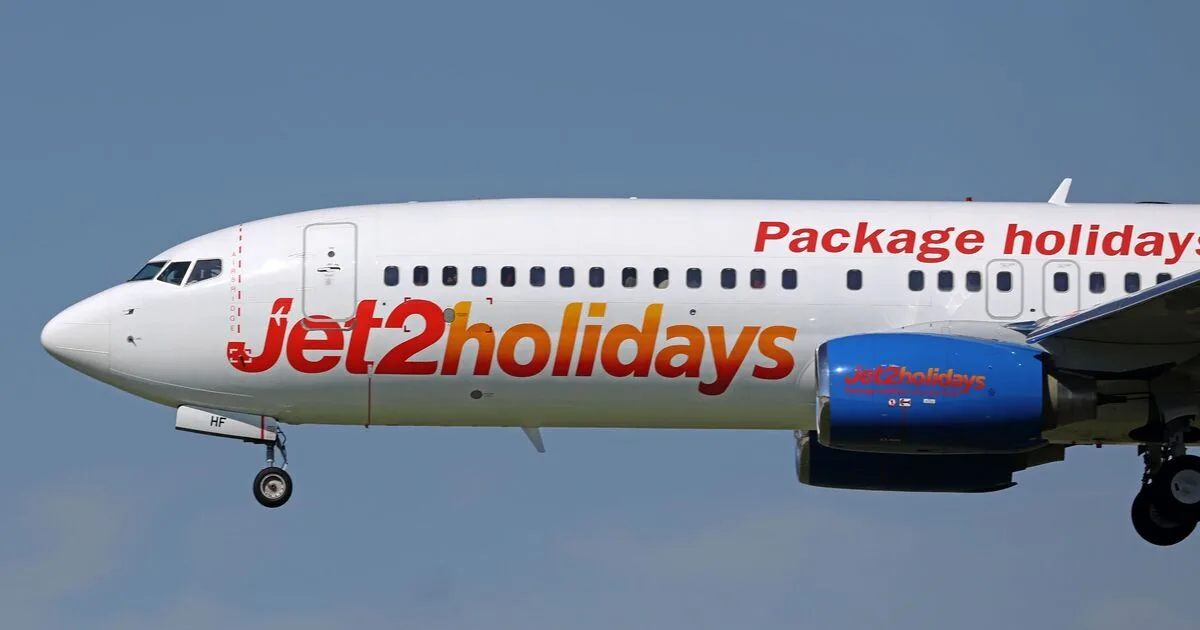
Jet2 vowed not to surcharge summer holidaymakers, with CEO Steve Heapy stating: "Customers booking with Jet2 know that they are locking in their price without additional cost surprises later." TUI also confirmed that holiday prices are fixed with no fuel surcharges added.
The European Commission proposed measures under the 'AccelerateEU' package to optimise jet fuel distribution between EU countries and avoid shortages. The UK government has asked refineries to maximise jet fuel supply as it plans for contingencies.