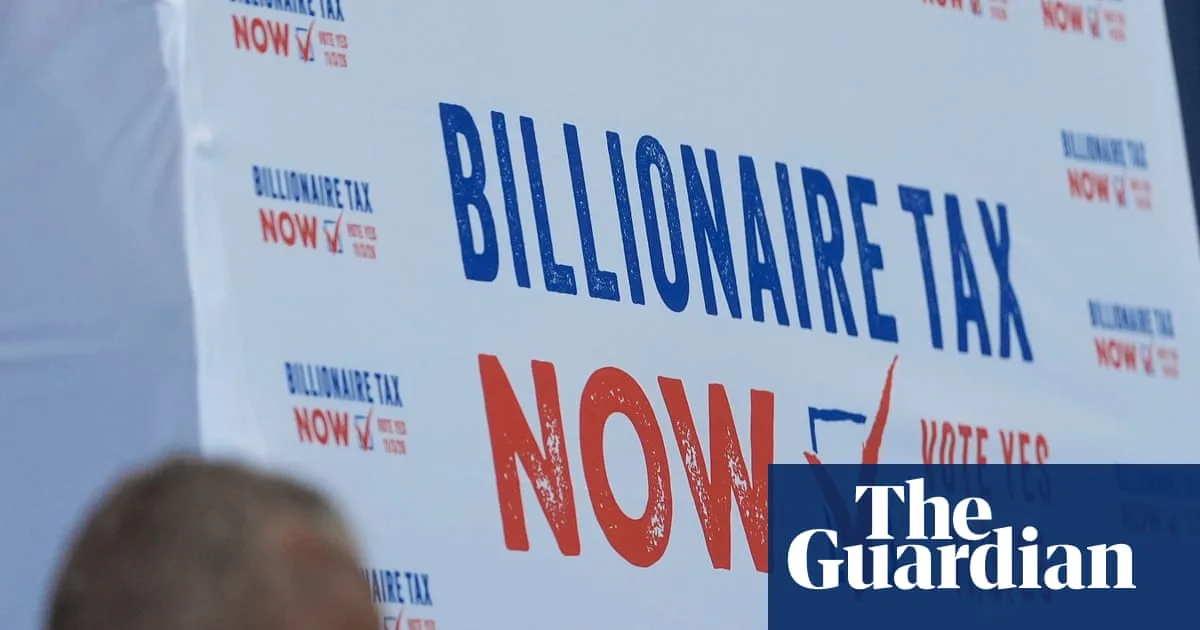
A proposed 5% wealth tax on California billionaires has officially qualified for the November ballot, after supporters gathered more than double the required signatures. The California secretary of state certified the measure on Thursday, following failed negotiations between Governor Gavin Newsom, who opposes the tax, and the labour union backing it.
The California Billionaire Tax Act, championed by progressives including Senator Bernie Sanders, would impose a one-time levy on residents with net worth exceeding $1bn. Proceeds would fund food assistance, education and healthcare programmes, with a focus on stabilising low-cost health coverage and preventing hospital closures. The measure is a response to federal cuts under Donald Trump’s One Big Beautiful Bill Act, according to the Service Employees International Union-United Healthcare Workers West (SEIU-UHW), which sponsored the initiative.
However, the tax faces fierce opposition from Governor Newsom and Silicon Valley billionaires, who argue it will drive the wealthy out of California and undermine state revenue. Tech and crypto industry figures have poured tens of millions of dollars into super PACs to defeat the measure. Opponents also include the California Teachers Association and Planned Parenthood Affiliates of California, who cite a lack of sustainable funding and uncertain allocation of the one-off revenue.
The wealth tax would apply retroactively to all billionaires resident in California as of 1 January 2026. The state is home to approximately 200 billionaires, many of whom have seen their fortunes grow during the recent AI boom. Despite the controversy, the measure’s supporters argue it is a necessary step to address economic inequality and secure essential public services.