UK Banking Chiefs Summoned as Middle East Crisis Threatens 250,000 Job Losses
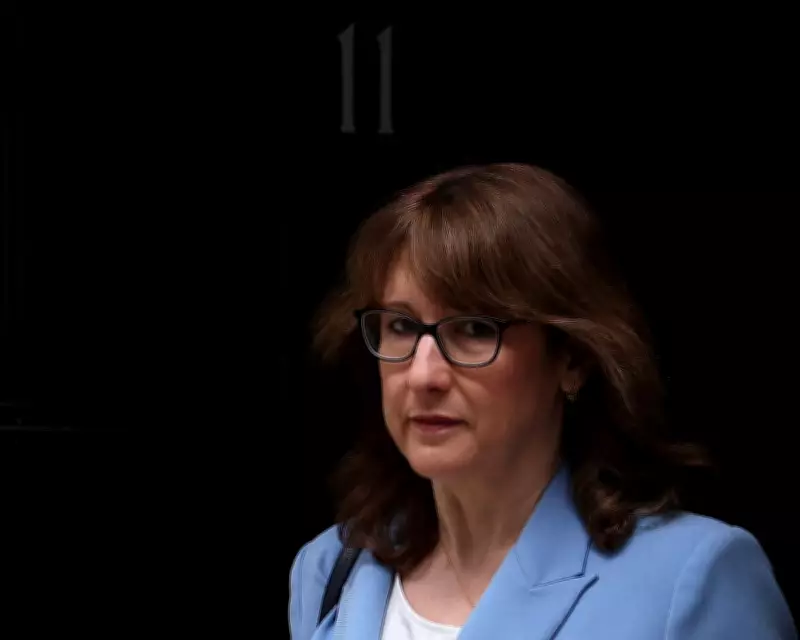
Chancellor Rachel Reeves has summoned top UK banking executives for an urgent meeting this week to discuss strategies for limiting the economic impact of the escalating Middle East crisis. This move comes as twin reports from leading accounting firms paint a grim picture of the UK's economic prospects, with analysis suggesting that a quarter of a million people could lose their jobs by mid-2027 as the nation "flirts with recession."
Economic Forecasts Highlight Severe Risks
The EY Item Club, an economic forecast group, has warned that Iran's retaliatory actions, including the closure of the Strait of Hormuz trade route and strikes on regional neighbours, have sent oil and gas prices soaring. This is projected to cause the most significant economic hit since the pandemic, with the UK economy expected to flatline in the second and third quarters of this year, heightening the risk of a technical recession.
Growth is forecast to halve from 1.4% in 2025 to 0.7% this year, stifling the momentum indicated by February's better-than-expected GDP rise. Unemployment is anticipated to climb to 5.8% by mid-2027, up from the current five-year high of 5.2%, potentially resulting in nearly 250,000 additional job losses directly linked to the Middle East turmoil.

Business Confidence Plummets Amid Geopolitical Uncertainty
A separate report by Deloitte reveals that finance chiefs at major UK businesses are becoming increasingly pessimistic, with confidence among chief financial officers slumping to a net -57% in late March, down from -13% in the previous quarter. This marks the lowest level since the onset of the Covid-19 pandemic, as geopolitical developments are cited as the greatest external risk to corporate operations.
Ian Stewart, chief economist at Deloitte UK, noted that finance leaders are grappling with high uncertainty, focusing on managing risks from geopolitics, rising energy costs, and higher financing costs. When asked about adverse geopolitical impacts over the next three years, CFOs identified energy costs (61%), inflation and interest rates (61%), and increased cyber-attacks (60%) as top concerns.
Implications for Inflation and Monetary Policy
The EY Item Club predicts that inflation could rise to nearly 4% in the second half of 2026, nearly double the Bank of England's 2% target. However, it also expects policymakers on the Monetary Policy Committee to avoid knee-jerk interest rate hikes, aiming to balance economic stability amidst the crisis.
This assessment follows a recent International Monetary Fund report, which downgraded UK growth forecasts for 2026 to 0.8%, the largest reduction among G7 countries, down from 1.3% predicted in January.
Defensive Financial Strategies Emerge
In response to mounting risks, CFOs are shifting towards more defensive financial strategies, prioritising cost control and cash conservation over capital spending and hiring. This aligns with EY's assumptions of a broader economic slowdown, as businesses brace for potential disruptions.
Stewart emphasised that UK CFOs are rarely more focused on cost reduction than today, with immediate priorities centred on strengthening balance sheets against external headwinds. The Iran crisis has already impacted energy costs, which could feed into inflation and interest rates, while the US has reported a rise in Iran-affiliated cyber-attacks on critical infrastructure.
As the UK navigates these challenges, the meeting between Chancellor Reeves and banking bosses aims to coordinate efforts to cushion the economy, but the twin reports underscore the severe and immediate threats posed by the Middle East conflict.