Labour's promise to be the champion of British commerce is facing a severe credibility crisis, with business leaders dismissing the government's pro-growth rhetoric as empty words. The declaration by Labour Party Chairman Anna Turley on Friday, that the party's priority is to ensure business can 'thrive and flourish' and High Streets are 'full of life', has been met with derision from the retail and hospitality sectors.
A Budget of Burdens and Broken Promises
Since taking power, the Labour government under Sir Keir Starmer has presided over a series of policies that have actively hampered business recovery. Two budgets delivered by Chancellor Rachel Reeves have imposed significant new tax burdens on companies still struggling in the wake of the Covid-19 pandemic. These have been compounded by a rise in the minimum wage, increasing operational costs, and a new workers' rights bill that many employers argue has added cumbersome regulation and discouraged hiring.
The consequences are starkly visible in the economic data. Unemployment has risen to a five-year high, and inflation is forecast to be the worst among all G7 nations this year. A recent survey from the British Chamber of Commerce indicates a dramatic plunge in business confidence, painting a bleak picture for future investment and growth.
Chaotic Policymaking and a Trail of U-Turns
The government's approach has been characterised by indecision and frequent reversals, undermining any sense of strategic direction. Sir Keir Starmer has executed at least 12 major policy U-turns since the election on July 4. High-profile retreats include plans for a family farm tax, changes to the two-child benefit cap, the grooming gangs inquiry, and the winter fuel allowance.
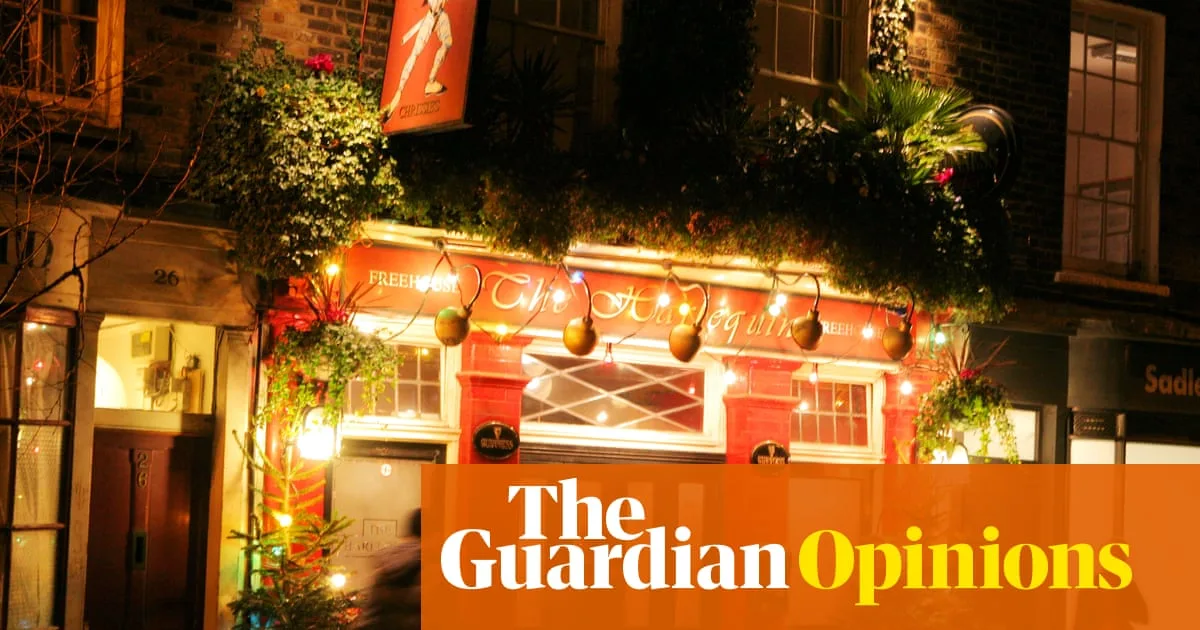
This pattern of 'dash, panic, and retreat' is epitomised by the ongoing chaos surrounding the review of business rates announced in November's Budget. The proposed steep increases sparked immediate warnings that they would devastate the hospitality sector, potentially forcing hundreds of pubs to close. After a fierce backlash from the industry and from Labour MPs themselves, the Treasury has reportedly relented on pubs.
However, this last-minute reprieve raises more questions than it answers. Restaurants, cafes, hotels, and small retailers remain in the firing line, fighting for survival amidst what has been termed a 'rates apocalypse'. The episode highlights a government that formulates policy without adequate consideration of the consequences.
A Cabinet Lacking Business Acumen
Analysts point to a fundamental disconnect at the heart of the problem. A vast majority of Labour MPs, including senior Cabinet members, have no direct experience of running a business. Their career paths, often through the state sector, trade unions, or charities, have not equipped them with an intuitive understanding of entrepreneurship, risk, or wealth creation.
This lack of practical experience fosters a mindset where business is viewed not as the essential engine of growth and employment, but as a source of revenue to be taxed. There is little apparent empathy for the realities of meeting a payroll, navigating a crisis, or the agonising decision to lay off staff.
The path to recovery requires a genuine effort to unshackle enterprise and control public spending. However, the current political direction suggests a government seemingly without the will or the competence to deliver such a transformation. For UK businesses hearing ministerial pledges of support, the laughter, for now, remains hollow and bitter.