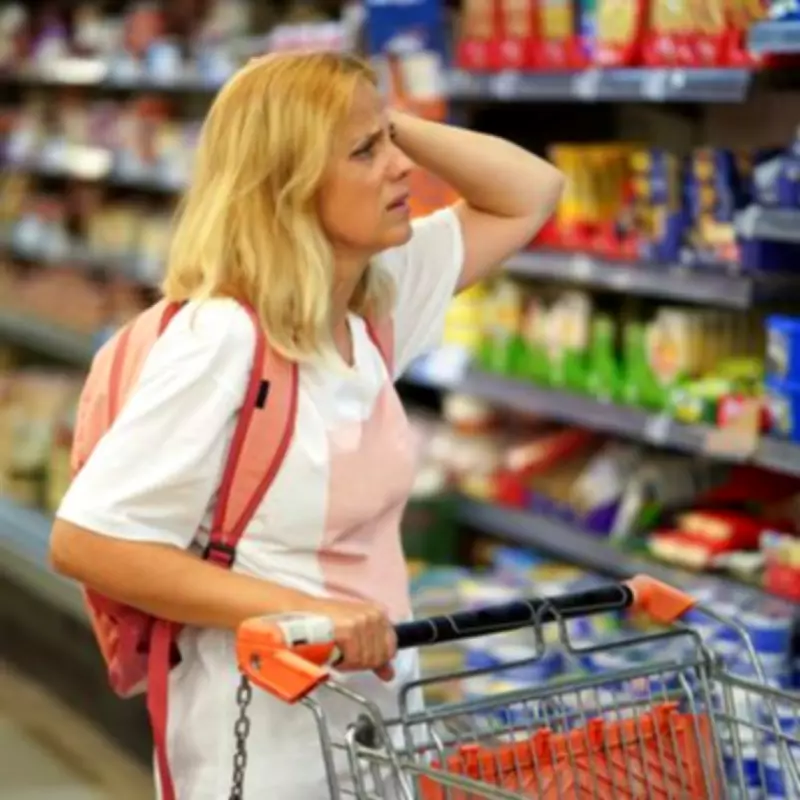
The chief executive of one of the world's largest fertiliser producers has warned that the price of the weekly food shop could rise within the next few months as a direct consequence of the ongoing war in Iran. Svein Tore Holsether, who leads Yara, told the BBC that cost increases faced by food producers will inevitably be passed on to consumers.
Disruption to fertiliser supplies
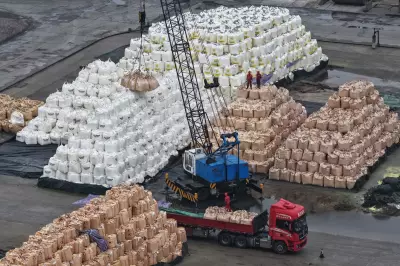
The closure of the Strait of Hormuz has severely disrupted fertiliser supplies, which are essential for growing fruit and vegetables. According to Holsether, fertiliser prices have surged by approximately 80% since the conflict began. The United Nations estimates that about one-third of the world's fertilisers typically transit through this strategic waterway.
Holsether further cautioned that reduced crop yields could trigger a bidding war for food, with interruptions to fertiliser supplies potentially putting up to 10 billion meals per week at risk globally. The poorest nations would be hit hardest, he added.

"If there's a bidding war on food and one that Europe is robust enough to handle, what we need to keep in mind in Europe is, OK, in that situation, who are we buying the food away from?" Holsether said. "That is a situation where the most vulnerable people pay the highest price for this in developing nations where they cannot afford to follow that."
Food inflation warnings
The Food and Drink Federation (FDF), which represents 12,000 food and drink manufacturers, has warned that food inflation could reach 9% by the end of 2026. Separately, businesses have told the Bank of England that UK food inflation could hit 7%.
Earlier this month, government officials drew up a worst-case scenario of potential food shortages, including chicken and pork, if supplies of carbon dioxide (CO2) become impacted. CO2 is used in the slaughter of some animals, though ministers have stressed there are no shortages yet.
Government tariff suspension
In an update this week, Chancellor Rachel Reeves announced plans to suspend tariffs on selected food and drink items to help consumers save money. Products included are pasta, juices, tuna, oranges, peaches, and other staples of the weekly shop. These tariffs will be suspended until the end of 2028, covering over £2 billion worth of imports into the UK.
A tariff is a tax imposed by a government on imported goods, the cost of which is normally passed on to consumers. The tariffs on some of these products ranged from 2% to 50% of the imported cost but will now be reduced to 0%. However, any potential price reduction may not be immediate and depends on businesses passing the savings on to customers.