UK Inflation Fears Mount as Iran Conflict Drives Oil Prices Above $100
Iran Conflict Fuels UK Inflation Concerns as Oil Prices Soar

UK Inflation Fears Mount as Iran Conflict Drives Oil Prices Above $100

Oil prices have soared dramatically since the United States and Israel initiated military strikes against Iran, exceeding one hundred dollars per barrel on Monday. This sharp increase has intensified pressure on UK ministers to take decisive action on the escalating cost of living, as the ongoing conflict threatens to push consumer prices even higher across the nation.

Economic Warnings and Political Pressure

Although oil prices retreated slightly below ninety dollars after US President Donald Trump suggested the conflict was nearing its conclusion—a statement that contradicted his own Defence Department—leading economists have issued stern warnings. They predict the war will result in inflation remaining elevated for a prolonged period, complicating the Bank of England's efforts to meet its two percent target.

The British Chambers of Commerce has forecast that inflation will remain firmly above the central bank's target, citing the highly uncertain global situation. Both Prime Minister Sir Keir Starmer and Chancellor Rachel Reeves have publicly acknowledged that the conflict is likely to cause significant economic damage in the United Kingdom.

In a statement to MPs, Ms Reeves confirmed the crisis was likely to put upward pressure on inflation over the coming months. Following a call with her G7 counterparts on Monday, she expressed readiness to support a coordinated release of international oil reserves to mitigate the economic shock. Additionally, she called for immediate action to guarantee the security of vessels navigating the critical Strait of Hormuz.

International Tensions and Military Preparations

President Trump later escalated tensions via social media, warning that if Iran obstructed oil flow through the Strait of Hormuz, the United States would respond with overwhelming force, making it virtually impossible for Iran to ever be built back. He described this as a gesture to China and other nations reliant on the strait, hoping it would be appreciated.

Meanwhile, the Royal Navy is preparing the destroyer HMS Dragon for deployment to the eastern Mediterranean. Defence Secretary John Healey confirmed the ship, currently docked at Portsmouth, would set sail within days to join US air defence vessels in the region. This move aims to bolster defences against missiles and drones, particularly around British bases in Cyprus.

However, the government has faced criticism for perceived sluggishness, including failing to deploy HMS Dragon ahead of the strikes and delays in its departure. The conflict's duration remains unclear, with further strikes reported in Tehran as Trump claimed the US operation was very complete, while the Pentagon indicated America had only just begun to fight.

Domestic Policy Debates and Security Measures

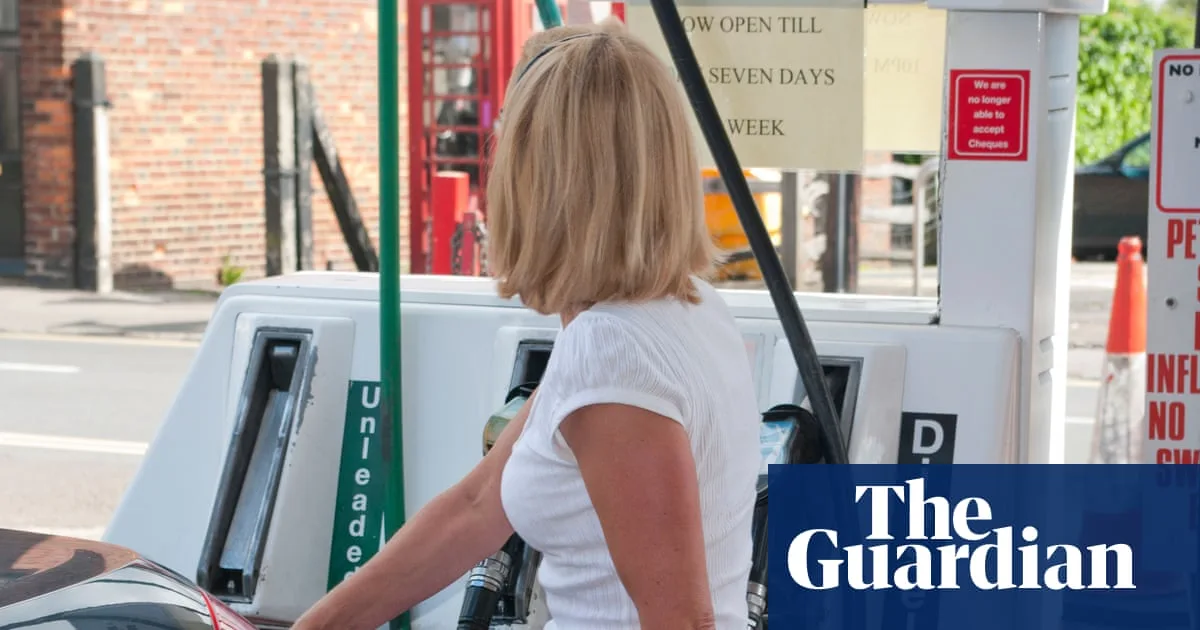
Despite requesting the competition watchdog to prevent wartime profiteering, Chancellor Reeves has resisted calls to cancel a planned increase in fuel duty in response to the oil price spike. Fuel duty has been frozen since 2011, with a five pence cut implemented in 2022 following Russia's invasion of Ukraine. At her budget last year, Ms Reeves announced the cut would be reversed between September 2026 and March 2027.

Opposition parties have urged a change in course. Shadow Chancellor Sir Mel Stride argued that the Middle East developments make it even more important for Reeves to scrap the fuel duty rise. Liberal Democrat leader Sir Ed Davey went further, calling for the Prime Minister to convene the emergency Cobra committee to address potential price shocks affecting families, pensioners, and businesses.

On the security front, the US has withdrawn non-essential diplomatic staff from Saudi Arabia amid continued Iranian retaliation, while the UK has withdrawn dependants of embassy staff in the UAE as a precaution. Israel and Hezbollah have also continued exchanging missile fire, prompting Defence Secretary Healey to urge de-escalation and warn against expanding the conflict into Lebanon.