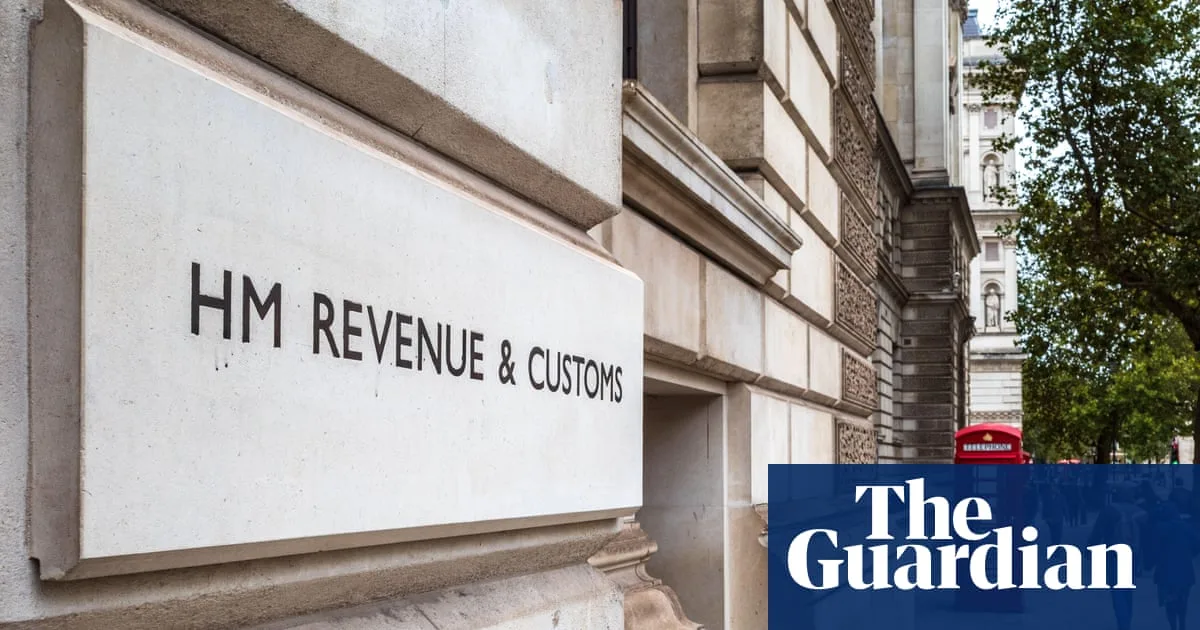
Thousands Lose Child Benefit in HMRC Anti-Fraud Blunder
HMRC wrongly stops Child Benefit for thousands

Senior officials from HM Revenue and Customs (HMRC) are set for a tough interrogation by the Treasury Select Committee this Tuesday, following revelations that thousands of families had their vital Child Benefit payments suspended without warning.

A 'Tolerable' Risk That Caused Real Harm

Internal documents have exposed that HMRC launched an anti-fraud operation it knew could wrongly target families, judging the risk of serious harm to be 'remote' and 'tolerable'. The drive, which ran from July to October, saw almost 24,000 Child Benefit accounts frozen after the tax authority relied on incomplete Home Office travel data that suggested parents had emigrated from the UK.

By the end of November, the scale of the error was becoming clear. Nearly 15,000 of those suspended claims had been reinstated as legitimate, while only 1,019 – a mere 4.3% – were confirmed as incorrect. With thousands of cases still unresolved, the number of families wrongly caught in the crackdown is expected to climb further. This follows an earlier disclosure that at least 63% of parents initially targeted were still living in Britain.

Flawed Data and a Streamlined Process

Families received letters referencing overseas trips, sometimes from as long as three years ago, where the Home Office had no record of a return journey. In reality, these trips were often short holidays, business travel, or family emergencies. Freedom of Information requests reveal HMRC was aware the Home Office data could be misleading, yet pressed ahead regardless.

This was despite evidence from a pilot scheme showing the travel data was wrong in 46% of cases. Alarmingly, during the national rollout, HMRC removed checks against PAYE records to 'streamline' the process, a decision that significantly contributed to the widespread errors.

The human impact was severe. One woman was flagged after travelling to France to collect her husband's remains after his death. Another parent, who travelled from Devon to Dublin for a sister's funeral, had their benefit stopped because there was no Home Office record of the return journey from Dublin to Bristol.

'Minimal' Harm Versus Real-World Anguish

Officials had concluded the 'severity of the harm' was minimal, assuming mistakes could be corrected through appeals. Affected families tell a different story, reporting severe stress, missed essential payments, and weeks spent gathering evidence to prove they had not left the country.

An investigation by the Detail and the Guardian in October uncovered further shocking cases: a woman whose benefit was halted after being wrongly recorded as travelling to a wedding that was cancelled; a parent who was in intensive care with sepsis at the time she was alleged to have emigrated; and a family who abandoned a holiday after a child suffered a seizure at the airport, yet still had their payments stopped.

Critics argue HMRC focused on data-sharing legalities rather than questioning the reliability of the information. Mariano delli Santi of the Open Rights Group told the Guardian the associated Data Protection Impact Assessment was conducted poorly, failing to properly identify risks.

An HMRC spokesperson stated the department takes data protection seriously and has changed its approach, using travel data as an 'indication' before conducting its own checks and giving customers a month to provide evidence. The Treasury Select Committee, which last year warned HMRC appeared 'cavalier with people’s finances', will now demand answers on how this systemic failure was allowed to happen.