

The former chairman of the UK's independent budget forecaster has insisted the body retains the public's trust, despite his own resignation following a significant leak of its economic forecasts.
Resignation and Apology Over Premature Publication
Richard Hughes stepped down from the Office for Budget Responsibility (OBR) in December 2025 after its analysis of the autumn budget was mistakenly published early. The error revealed key details of Chancellor Rachel Reeves's statement before she had delivered it to Parliament.
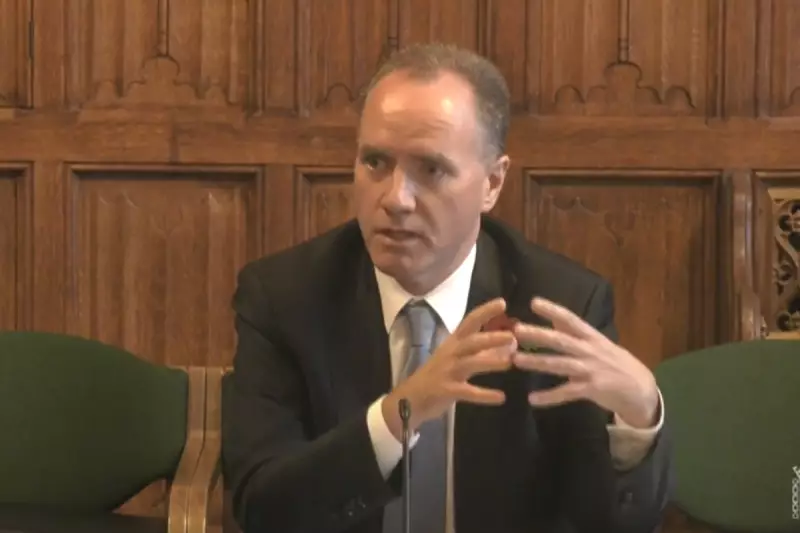
Appearing before the House of Lords Economic Affairs Committee on Tuesday 13 January 2026, Hughes reiterated his apology for the incident. He acknowledged the severe disruption caused, stating it interfered with one of Parliament's most important annual events and had a tangible impact on financial markets.

Defending the OBR's Record and Citing Unusual Speculation
Despite the error, Hughes was steadfast in defending the OBR's overall reputation. He asserted the watchdog had "earned people's trust as the country's economic and fiscal forecaster." He framed the mistake within a human context, remarking, "The OBR is led by human beings and human beings make mistakes."
He also highlighted what he described as an extraordinary level of media and political speculation in the run-up to the last budget. Hughes, drawing on a 25-year career in fiscal policy, said the volume and persistence of conjecture about the OBR's forecasts were unprecedented in his experience.
Political Reactions and the Future of the Watchdog
The leak and the OBR's role have sparked significant political debate. Shadow Chancellor Sir Mel Stride pledged that a future Conservative government would protect the OBR, emphasising its critical function in preventing chancellors from "marking their own homework."
In contrast, Reform UK leader Nigel Farage has suggested he might scrap the body if his party came to power. Meanwhile, Hughes directly countered rumours that last-minute OBR forecast changes prompted the Labour government to abandon income tax rises. He stated it was not "remotely true" that such a shift caused the policy U-turn.
The government's decision not to raise income tax, reportedly influenced by better-than-expected economic forecasts, allowed it to adhere to its manifesto pledge not to increase taxes on "working people."






