

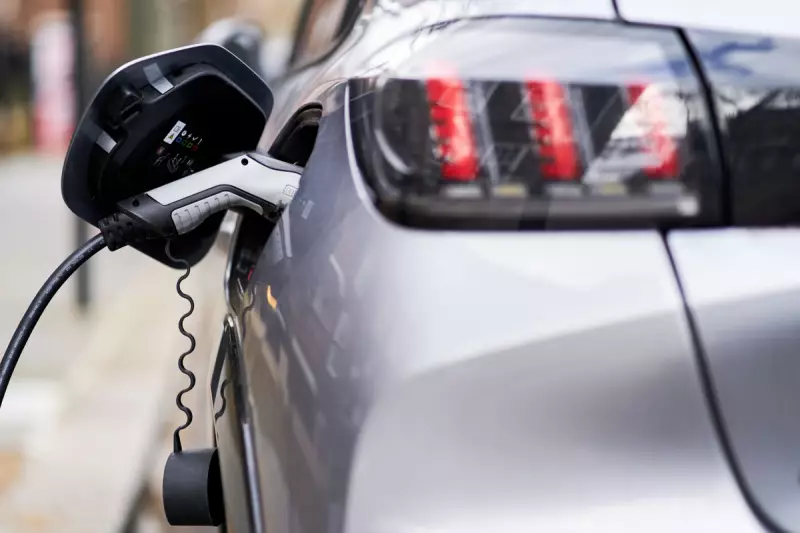
The quiet revolution happening on Britain's roads is about to create a very loud problem in the Treasury's coffers. As electric vehicles silently replace their petrol and diesel counterparts, they're taking with them a crucial revenue stream that has funded public services for generations.
The £13 Billion Question
Currently, fuel duty contributes approximately £13 billion annually to the UK Treasury. This substantial sum helps fund everything from hospitals and schools to road maintenance. But as more drivers make the switch to electric vehicles, this reliable income source is rapidly evaporating.
The government faces a perfect storm: successfully encouraging the transition to cleaner transport while watching a major tax revenue disappear into thin air.

The Road Pricing Dilemma
One potential solution being discussed in Whitehall corridors is road pricing. This would involve charging drivers based on distance travelled, potentially using tracking technology. However, this approach raises significant concerns about privacy and fairness.
Privacy campaigners warn that such a system could create a surveillance network monitoring every journey Britons make. Meanwhile, rural communities fear being disproportionately affected, as they often have no alternative to car travel.
Alternative Tax Solutions
Other options being considered include:
- Higher electricity tariffs for EV charging
- Increased vehicle excise duty for electric cars
- Congestion charging expansion
- Workplace parking levies
Each option presents its own political and practical challenges. The government must balance environmental goals with fiscal responsibility, all while maintaining public support for the green transition.
The Timing Problem
With the 2035 ban on new petrol and diesel car sales approaching, the clock is ticking. The Treasury needs to find a solution before the revenue gap becomes unmanageable. However, introducing new taxes too early could discourage EV adoption, undermining climate targets.
This creates a delicate balancing act for policymakers: they must plan for the future without jeopardising the present transition to cleaner transport.
Learning From International Examples
Other countries facing similar challenges are experimenting with different approaches. Some European nations have implemented distance-based charging for heavy goods vehicles, while others are considering smart charging systems that vary rates by time of day and location.
The UK government will need to study these international examples carefully to develop a system that works for British drivers and the British economy.
One thing is certain: the silent revolution of electric vehicles is about to make some very noisy demands on Britain's tax system. How the government responds will shape not just our roads, but the very foundation of public funding for decades to come.






