

Chancellor Rachel Reeves is facing intense criticism over her handling of the UK economy, with accusations that her tax policies are actively harming businesses and stifling growth during a crucial festive period.
Pubs Bear the Brunt of New Tax Burdens
At the heart of the discontent is the hospitality sector, particularly the nation's pubs, which are still recovering from the pandemic. Chancellor Rachel Reeves has imposed a second consecutive increase in business rates, piling pressure on already strained establishments. A stark example is The Marsh Inn in Pudsey, which now faces an additional annual cost of £2,400. Larger venues could see bills multiplied by twenty.
This comes on top of what critics have labelled a 'jobs tax' – a sharp rise in employers' National Insurance announced in October 2024. This increase makes hiring new staff significantly more difficult, especially for small and medium-sized enterprises.

A Festive Season Undermined by Policy
The timing of these fiscal pressures is seen as particularly damaging. The Christmas period is vital for pubs, restaurants, and entertainment venues, providing a revenue boost that helps them survive quieter months. Industry experts now fear as many as 2,000 pubs could be forced to close permanently, with a corresponding loss of employment opportunities.
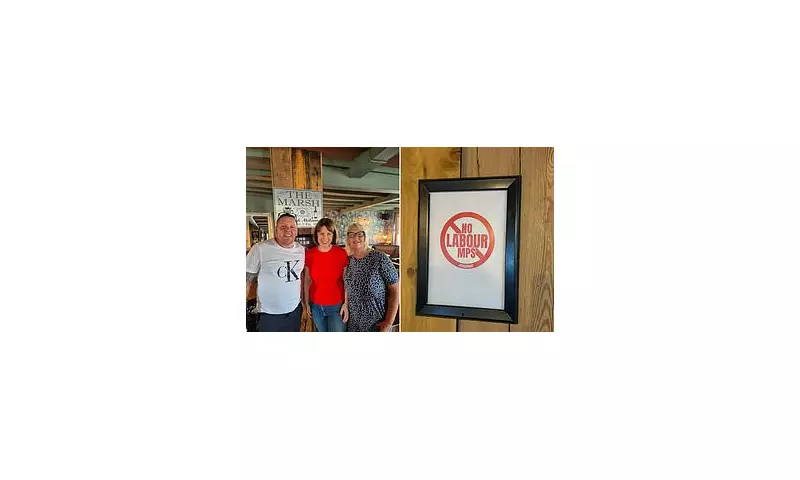
The contrast is sharp for the Chancellor, who was photographed smiling with The Marsh Inn's landlord, Martin Knowles, and his wife Melanie shortly after taking office. That local goodwill has evaporated. The pub now displays a 'NO LABOUR MPS' sign, symbolising a broader rift between the government's policies and the realities faced by business owners.
Questioning Labour's Economic Stewardship
The core criticism levelled at Ms Reeves is a fundamental one: that her approach ignores the economic principle that beyond a certain point, taxation throttles growth and reduces overall output. In a recent interview, she declined to rule out further tax rises, leading opponents to question whether she has any other strategy for managing the gap between government spending and revenue.
Critics argue that the Labour Party, once seen as in touch with the working lives of ordinary people, is now dominated by a dogmatic approach that shows little understanding of how its policies affect the real economy. The concern is that this path is unsustainable, damaging prosperity, and making the UK a less festive place for many this Christmas.






