Australian Treasurer Issues Stark Warning on Iran War Economic Impact
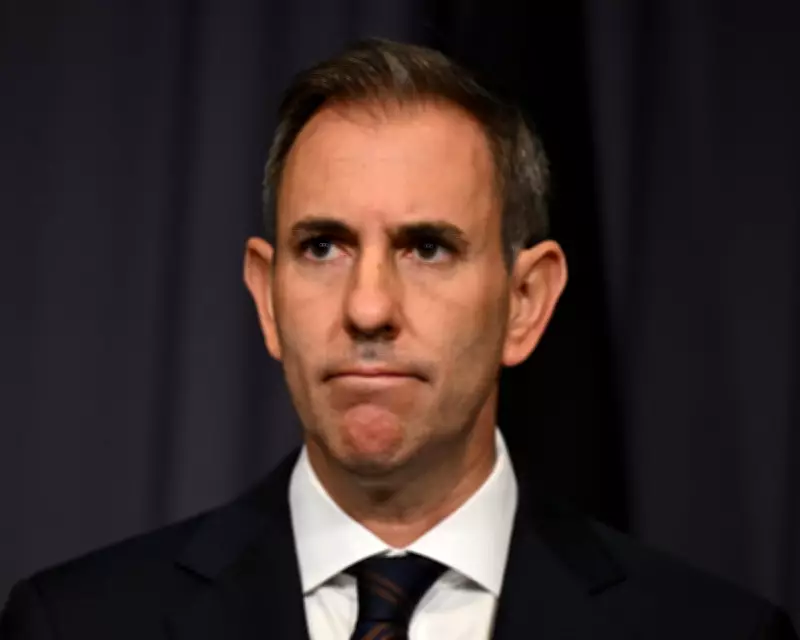
Australian Treasurer Jim Chalmers has issued a dire warning that the ongoing war in Iran, initiated by Donald Trump, is set to drive up inflation and unemployment in Australia. Speaking ahead of next month's federal budget, Chalmers cautioned that the economic fallout from the conflict could escalate to "severe" levels, with global supply chains already being buffeted.
Inflation Expected to Surge Above 5%
Chalmers confirmed that inflation is projected to rise above 5% in Australia, primarily due to disruptions in global fuel supplies, which account for about 20% of the world's total. This marks a significant shift from mid-March Treasury modelling, which had suggested a peak in the "mid to high fours," but those estimates were quickly deemed too conservative. The treasurer described the past few days as "a wild ride" for budget planners, emphasizing the uncertainty surrounding the war's duration and its broader economic implications.
Strait of Hormuz Closure Fuels Uncertainty
Following discussions with international counterparts in Washington DC, Chalmers highlighted the closure of the Strait of Hormuz as a key driver of frustration and economic instability. He stated, "From an economic point of view, the end of the war can't come soon enough." However, he added that even if a ceasefire is achieved and the strait reopens, a return to normalcy will not be immediate. "We don't expect things to go back to normal straight away," he said, underscoring the lingering risks of severe consequences from the Middle East conflict.

Budget Measures and Economic Resilience Plans
In response to these challenges, the Labor government is preparing a federal budget focused on intergenerational fairness, including potential reforms to property investor tax breaks such as negative gearing and the capital gains tax discount. Chalmers revealed that planned cuts to the National Disability Insurance Scheme (NDIS) will form a significant part of the savings package, aiming to reduce its growth from over 10.3% annually to between 5% and 6%. Additionally, billions in cost-of-living support are expected, including a temporary cut to the fuel excise and other measures to bolster economic resilience for businesses and consumers.
Political Reactions and Future Outlook
Opposition leader Angus Taylor criticized the government, claiming Labor had lost control of inflation even before the war began. He argued that Australians' standard of living is declining and accused the government of proposing policies that could reduce housing supply. Meanwhile, Chalmers will brief state and territory treasurers on the budget plans, as the government joins international efforts to push for the reopening of the Strait of Hormuz, with a conference of over 40 countries scheduled this week.
The economic outlook remains precarious, with Chalmers noting that slower growth typically leads to higher unemployment. The key factors influencing the severity of inflation and growth impacts will be the war's duration, the time taken to reopen the strait, and the global economy's recovery pace. As Australia navigates these turbulent times, the treasurer's warnings highlight the urgent need for strategic policy responses to mitigate the war's far-reaching effects.