Andy Burnham has taken office as Prime Minister amid a looming bond market crisis, with 10-year gilt yields hitting the critical 5% threshold. This development threatens to derail his premiership before it begins, as the UK already pays more to borrow than any other developed economy.
Bond Market Warning Signals
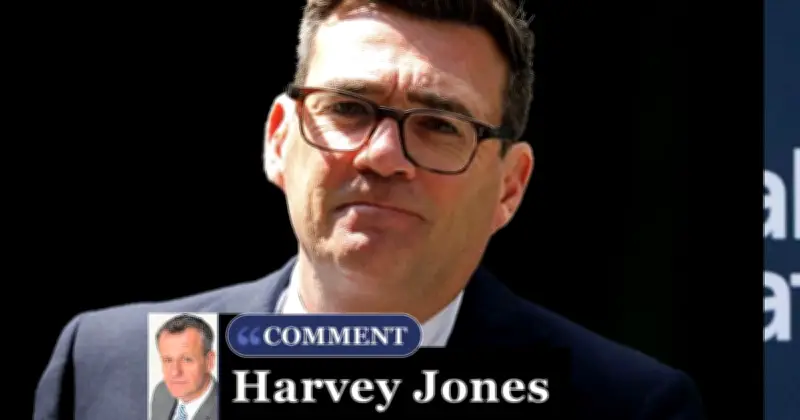
Gilt yields, which represent the interest rate the government pays on its debt, have surged to 5%, a level that historically spooks bond investors. According to Harvey Jones, writing for Express, this is a “desperate news for Burnham, because it completely limits his room for manoeuvre.” The UK’s debt interest bill is expected to reach £110 billion this year, meaning roughly £1 in every £10 of government spending goes toward servicing debt rather than public services.
The yield on 10-year German government bonds stands at around 3.15%, while France and Italy pay 3.95%—all comfortably below the 5% trigger point. The UK’s weak fiscal position makes it especially vulnerable to rising global interest rates, exacerbated by US President Donald Trump’s military actions in Iran, which are driving up inflation worldwide.
Burnham’s Precarious Mandate
Burnham enters Downing Street without a general election victory, having been elected by Labour MPs as the sole candidate. He was backed by just 24,000 voters in his Makerfield constituency, a mandate Jones describes as “not much of a mandate.” He joins a list of prime ministers—Rishi Sunak, Liz Truss, Boris Johnson, Theresa May, and Gordon Brown—who took office mid-term; none ended well.
Jones argues that Keir Starmer’s government, which Burnham inherits, was “the most left-wing government of my lifetime,” driving spending and taxes to record highs while failing to curb the welfare bill, handing unions more powers, and crushing business with red tape. The result has been weaker growth, rising unemployment, and higher debt, with finances “spinning out of control.”
Market Fears and Fiscal Constraints
Burnham’s plans to hike taxes and increase spending are at odds with what bond investors want to see: credible plans to control borrowing and tackle debt. More spending would require more borrowing, more gilt issuance, and higher interest costs. Jones warns that “one wrong move could still trigger a bond investor backlash, with disastrous consequences.”
There is one market-friendly move: reports suggest Burnham will not appoint Ed Miliband as chancellor, fearing that would trigger an outright bond market revolt. However, without the authority of a general election victory, Burnham alone will be held responsible for any economic missteps. “If Burnham isn't careful, he could quickly end up even more unpopular than Keir Starmer,” Jones concludes.