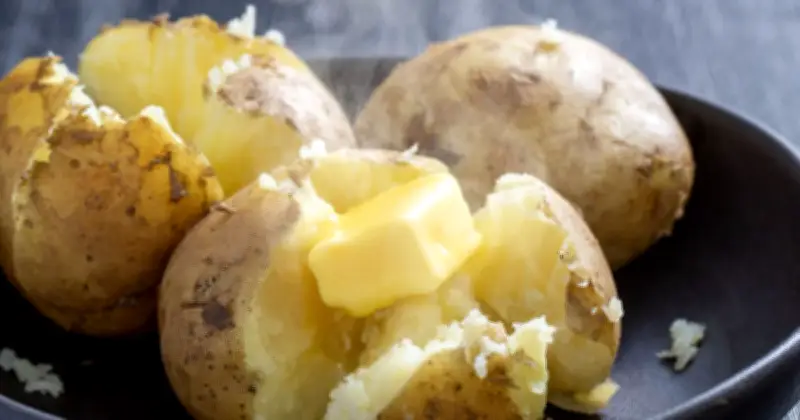
Achieving a pub-style jacket potato with a crisp skin and fluffy centre could be much easier with the help of one low-cost cupboard staple: baking soda. This ingredient, which costs around 65p at Tesco, is said to improve both the texture and crispness of baked potatoes.
How Baking Soda Works
Culinary tests highlighted by Taste of Home reveal that adding baking soda to boiling water fundamentally alters the potato's chemical reaction during prep. Raising the water's pH creates an alkaline environment, which causes the potato's outer pectin layer to break down rapidly during a brief 10-minute parboil. As a result, a thick, starchy coating forms over the surface of the potato. When exposed to dry oven heat, this starch layer hardens into an intensely golden, glass-like crust while keeping the interior light and airy.
Choosing the Right Potato Variety
Before parboiling, selecting the correct potato variety is essential to prevent a dense or soggy centre. Food industry experts stress that high-starch, "floury" potatoes yield significantly lighter results than waxy varieties. Recommended varieties for baking include Maris Piper, King Edward and Russet. These specific varieties contain lower moisture levels and higher starch content, allowing the inside to break down into a pillowy texture as the moisture evaporates during baking.
Preparation Steps
Home cooks can achieve this effect by adding roughly half a teaspoon of baking soda to a pan of salted boiling water. After parboiling and draining, proper drying and oven placement will determine the final texture of the skin. Culinary scientists at America's Test Kitchen emphasise that surface moisture is the primary enemy of a crunchy crust, advising home cooks to allow parboiled potatoes to steam-dry thoroughly before applying oil or seasoning.
Three Essential Guidelines for Maximum Crunch
- Skip the tin foil: Wrapping spuds in aluminium foil traps escaping steam, effectively boiling the skin from the inside out and leaving it rubbery rather than crisp. Dry heat is strictly required to set the crust.
- Bake on the wire rack: Placing potatoes directly onto the wire oven rack instead of a baking tray allows hot air to circulate freely around the entire surface for an even bake.
- Roast at high heat: Professional chefs advocate baking at a higher temperature - between 200°C and 220°C - for approximately one hour until the centre is tender and a knife pierces through effortlessly.
This simple trick could even help home cooks recreate the fluffy jacket potatoes made famous by viral vendors such as SpudMan and SpudBros, whose videos have attracted millions of views online.