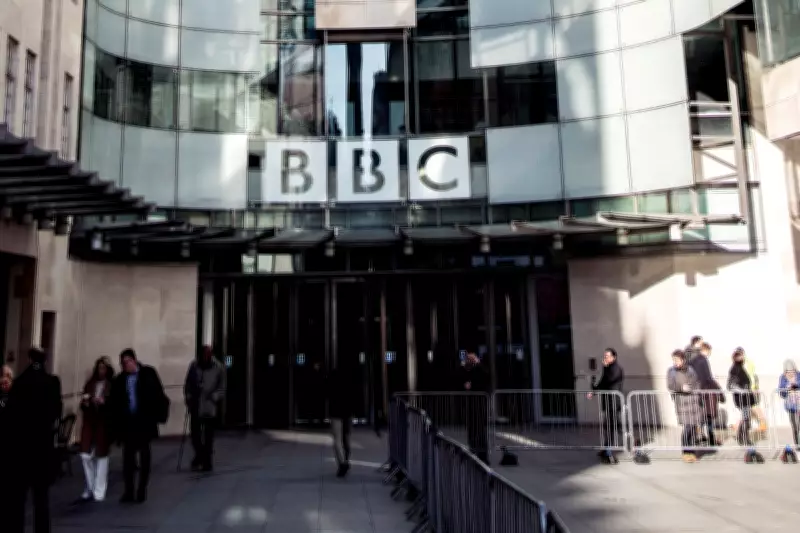
BBC Announces 2,000 Job Cuts Following 'Savage' Staff Phone Call
The BBC is set to cut 2,000 jobs, sources have confirmed, following what was described as a "savage" all-staff phone call that left employees in a state of panic and uncertainty. The announcement, made during a call at 3pm on Wednesday, revealed the corporation's plan to reduce costs by 10% over the next three years, but failed to provide specific details on which roles or departments will be affected.
Staff Reaction and Internal Turmoil
One staff member who participated in the call told the Press Association: "I mean, it was savage. They have not outlined how or where these jobs will be cut, and it's just caused huge panic. One in every 10 will lose their job, which is awful. It's a touch Hunger Games where we have dialled in to be told you're going to have to fight for your jobs or you're going to have to put someone up to be sacrificed." The employee added that nobody, including bosses, seems to know who will be impacted, creating an atmosphere of fear and confusion within the organisation.
This round of job cuts represents the biggest reduction at the BBC in nearly 15 years, coinciding with the upcoming transition in leadership. Former Google executive Matt Brittin is preparing to take over as director-general next month, and the timing of the announcement has been criticised as delivering bad news just before his tenure begins. As one staff member noted, the new DG will inherit a situation with "staff in full revolt and a Government who aren't impressed by the BBC's lack of warmth to it."

Broader Cost-Cutting Measures and Financial Pressures
The job cuts are part of a broader strategy to address the BBC's "substantial financial pressures." In February, the corporation revealed plans to reduce spending by hundreds of millions of pounds over the next three years, aiming for savings of approximately 10% by 2029. However, details on which services might be affected remain unclear. Earlier cost-saving moves include a January 2025 announcement that the BBC World Service would axe 130 jobs to save about £6 million for the next financial year.
Additionally, the BBC has recently disclosed plans to drastically scale back its team covering national occasions, such as royal events and state funerals, reducing it to just one staff member supplemented by freelancers. These measures highlight the ongoing challenges the broadcaster faces as it competes with streaming giants like Netflix and Disney+, which have intensified pressure over the value for money provided by the licence fee.
Licence Fee and Leadership Changes
Predominantly funded through the annual licence fee, which rose to £180 per year on April 1, the BBC continues to grapple with financial sustainability. The fee is paid by UK TV-watching households and has been a point of contention amid rising competition. Outgoing director-general Tim Davie stepped down on April 2 after announcing his resignation in November, following a turbulent period for the broadcaster.
Interim director-general Rhodri Talfan Davies, who is believed to have led the all-staff meeting, will oversee the corporation until Matt Brittin assumes the role on May 18. Meanwhile, Culture Secretary Lisa Nandy expressed support for the BBC on BBC Radio 4's World At One programme, stating: "This Government believes in the BBC, and we think it is one of the two most important institutions in the country. The NHS looks after the health of our people, and the BBC is one of the greatest defenders of the health of our nation."
As the BBC moves forward with these cuts, the focus remains on how the organisation will navigate its financial constraints while maintaining its public service mandate in an increasingly competitive media landscape.