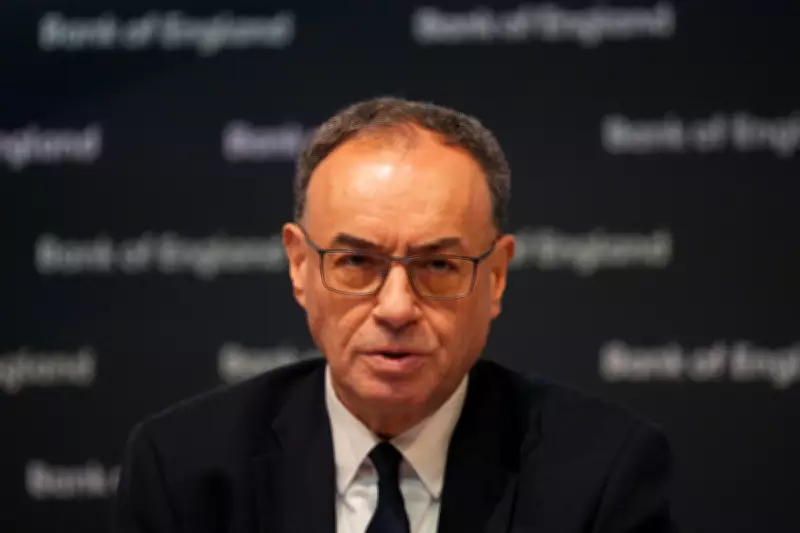
The Bank of England's Monetary Policy Committee (MPC) has decided to hold interest rates at 3.75% in what many describe as a risky move amid mounting inflationary pressures from the Middle East conflict. The decision, which passed by an 8-1 vote, marks a significant moment of caution as the UK economy faces potential price shocks from rising oil prices and other cost pressures.
A Precarious Hold
While holding rates might seem like a reprieve for borrowers, the underlying economic situation remains highly unstable. UK interest rates are already higher than those in the Eurozone (2.15%) and at the top of the US Federal Reserve's target range (3.5-3.75%). The MPC noted that wage growth is slowing and the employment market is cooling, but the primary concern is the impact of the conflict on energy prices.
The Bank warned that it is watching the situation "very closely" and stands ready to act if necessary. However, the status quo may not last long, with some analysts predicting that rates could rise sharply if inflation doubles due to sustained high oil prices.

Impact on Mortgages and Borrowers
The mortgage market has been particularly volatile. Following the outbreak of hostilities, hundreds of mortgage products were withdrawn and re-priced higher. The average two-year fixed rate home loan, which stood at 4.83% before the conflict, peaked at 5.9% before falling slightly to 5.8%. Similarly, five-year deals rose from 4.95% to 5.78% before settling at 5.7%.
For those looking to get onto the housing ladder or secure a new deal, the uncertainty is palpable. Lenders, whose offerings are dictated by money markets, are not charities and must adjust to higher financing costs. The MPC's decision to hold rates may provide some temporary reassurance, but the outlook remains bleak.
The Risk of Inaction
The MPC's decision is not without risks. Governor Andrew Bailey, known for his cautious approach, has emerged as the swing vote between hawks and doves. His public statements will be closely scrutinized in the coming weeks, but he is likely to maintain a tone of bland obfuscation to avoid spooking markets.
The Bank has outlined three scenarios, with oil prices already at the $120 level seen in the darkest one. If oil heads towards $130 and stays there, gas prices also spike, and inflation doubles, the MPC may be forced to implement up to six "muscular" rate rises. Such a move would be disastrous for the economy, potentially triggering a recession.
Second-Order Effects
The Bank is particularly concerned about "second order" effects, such as businesses using energy costs as an excuse to hike prices more than necessary, and workers demanding higher wages. These could entrench inflation and require more aggressive action later.
For now, the MPC has chosen to wait, hoping that the conflict will be resolved quickly. But if inflation takes off, this hold will be loudly criticized as a missed opportunity to act early. The central banker's lot is not a happy one today.