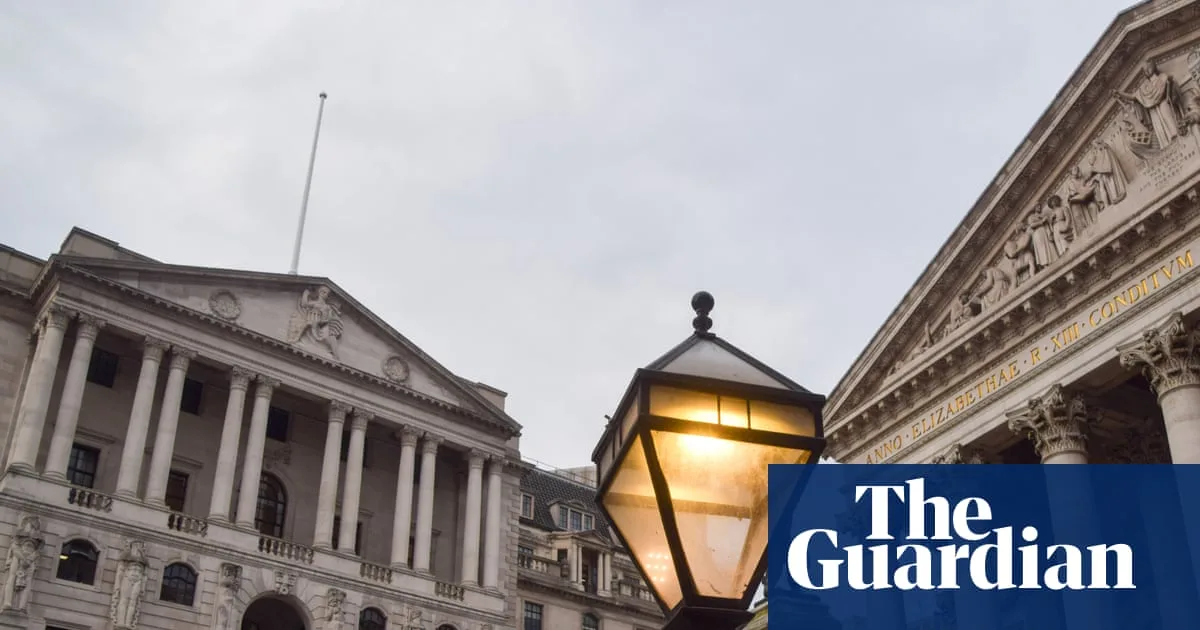
The Bank of England has kept interest rates on hold at 3.75%, signalling that it could be forced to raise borrowing costs in the coming months as the US-Israel war on Iran threatens to drive UK inflation above 3%. The Monetary Policy Committee voted unanimously to maintain the base rate amid growing concern over the surge in energy prices triggered by the conflict.
Financial markets now anticipate a quarter-point increase as early as June, followed by a further rise to 4.25%, adding pressure on household finances already battered by a cost of living crisis. The Bank said the 'new shock' to the economy would lead to higher than previously expected inflation in the short term.
Bank Governor Andrew Bailey said: 'War in the Middle East has pushed up global energy prices. You can already see that at the petrol pump and if it lasts it will feed into higher household energy bills later in the year.' He added that the Bank stood 'ready to act as necessary' to ensure inflation returns to its 2% target.
Official figures published earlier on Thursday showed UK wage growth slowed sharply in the three months to January, while unemployment remained at 5.2%, the highest point in five years. The Bank said inflation would probably rise to about 3.5% in March and stick above target throughout 2026.
Daisy Cooper, the Liberal Democrats' Treasury spokesperson, blamed 'Trumpflation' for forcing the Bank into a corner, while analysts warned that higher borrowing costs would add to headwinds facing the UK economy and raise the stakes for the government as it explores options for an energy support package.