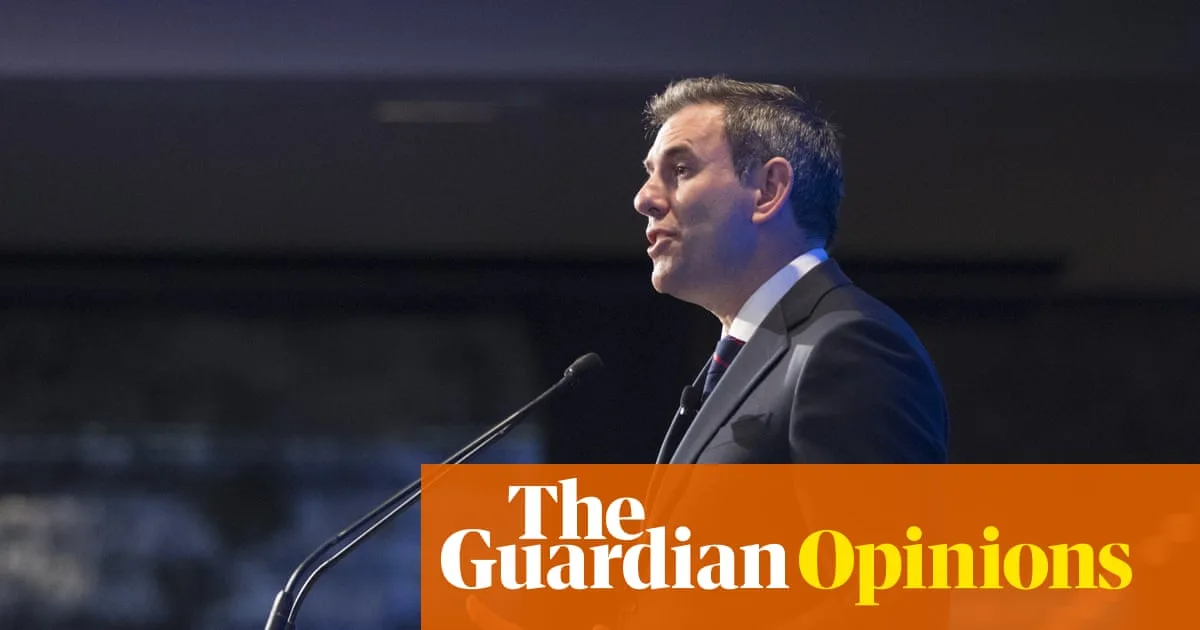
When Bob Hawke convened an economic summit in 1983, it was dismissed as a gimmick by some, but it ultimately transformed Australia's policy landscape. Now, Treasurer Jim Chalmers has revived the model, bringing together diverse voices to address the nation's challenges. However, critics question whether this approach can tackle the existential threats looming on the horizon.
Hawke's summit succeeded because of a palpable crisis—soaring unemployment, plummeting industrial production, and frequent strikes. The current Labor government faces different but equally daunting issues: climate change, policy paralysis, geopolitical realignments, and intergenerational inequality. Chalmers has urged boldness, while Prime Minister Anthony Albanese remains cautious.
Since the roundtable was announced, ideas have poured in from the Productivity Commission, business groups, unions, and think tanks. Some proposals, like taxing the family home, were quickly ruled out. Others have sparked debate or been mired in detail. The challenge is to craft a forward-looking narrative from this cacophony.
Chalmers has drawn inspiration from the book 'Abundance' by Ezra Klein and Derek Thompson, which critiques bureaucratic overreach. This has sparked a hunt for regulations to abolish in pursuit of productivity, housing, and innovation. Yet, without a unifying vision, the roundtable risks being mere window dressing on an outdated economic model.