Australian Drivers Panic Buy Fuel Amid Middle East Conflict Price Fears
Australian motorists have descended into a frenzy of panic buying at petrol stations, emptying shelves of jerry cans to stockpile fuel, despite repeated calls from experts and officials for calm. This surge in demand comes as global oil prices skyrocket due to escalating conflict in the Middle East, sparking fears of domestic fuel shortages and exorbitant price hikes.
Shelves Emptied as Hoarding Intensifies
Drivers across the country are rushing to fill their vehicles and storage containers, with hardware stores reporting a dramatic spike in sales of fuel containers. Photographs from Bunnings warehouses show nearly empty shelves where jerry cans are typically stocked, while online searches for Bunnings, BCF, and Supercheap Auto in Sydney confirm widespread sell-outs.
One striking image captured in Woonona, on the New South Wales south coast, shows a utility vehicle loaded with approximately twenty fuel cans on its roof. The photographer quipped on social media, "Well, petrol is the new toilet paper!" referencing the infamous panic buying of essential goods during the COVID-19 pandemic.
Expert Warnings and Contradictory Forecasts
David Llewellyn-Smith, chief strategist at MB Fund and MB Super, issued a stark warning that Australia's one-month fuel reserve could "disappear" rapidly if hoarding continues unabated. In a Tuesday article for news.com.au, he suggested that petrol prices could potentially reach $10 per litre if the Middle East war persists for another fortnight.
Llewellyn-Smith further cautioned that the federal government in Canberra might be compelled to nationalise fuel supplies to prioritise distribution of food and critical products, effectively creating a "petrol lockdown." He emphasised that while this scenario isn't a certainty, the risk escalates daily.
However, AMP chief economist Shane Oliver dismissed these projections as "over the top," telling Daily Mail that a $10 per litre price would require world oil prices to surge thirteen-fold to $US870 per barrel. Oliver noted that even during the severe oil crises of the 1970s, increases were only three to four-fold. While acknowledging further price rises are likely, he characterised the extreme forecast as unrealistic.
Safety Concerns and Supply Chain Pressure
NRMA spokesman Peter Khoury expressed serious concerns about the panic buying behaviour, stating that it places unnecessary strain on Australia's fuel supply chain while creating significant safety hazards. "People are panic buying fuel, which is then putting unnecessary pressure on our supply chain, and storing fuel at home, which is also a safety concern," he told Daily Mail.
Khoury warned that improperly stored fuel poses serious fire risks due to its highly flammable nature. He also questioned what Australians would do with excess fuel if prices subsequently fall, urging for normalised buying behaviour to alleviate domestic supply concerns.
Government Response and Fuel Reserve Status
Energy Minister Chris Bowen confirmed on Tuesday that Australia maintains 32 days' worth of diesel reserves, with domestic fuel stocks remaining at levels consistent with before the current crisis began. While acknowledging a "massive spike" in demand, particularly in regional areas, Bowen insisted there is "absolutely no need for panic."
The minister explained that refineries are meeting their contracted obligations but cannot accommodate extra orders due to overwhelming demand-side pressure. He assured that the Albanese government would not hesitate to implement minimum stock obligations if the Middle East conflict genuinely threatens Australia's fuel security.
Retailer Reactions and Price Monitoring
Bunnings acknowledged increased demand for fuel containers nationwide, with a spokeswoman telling 7 News that teams are working diligently to restock shelves this week. The company declined to comment further on Tuesday, while Daily Mail has sought comment from Super Retail Group, parent company of BCF and Supercheap Auto, regarding low stock levels.
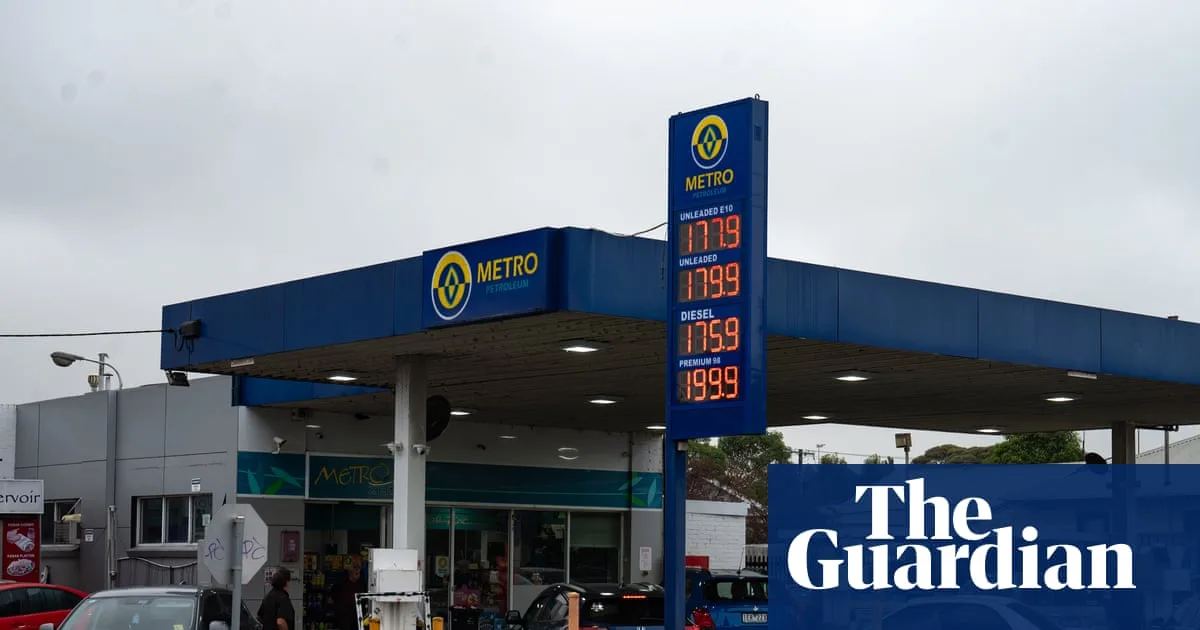
Meanwhile, average unleaded petrol prices have surpassed $2 per litre in every Australian capital city except Perth. The consumer watchdog has issued warnings to retailers against providing false or misleading justifications for price increases during this volatile period.
As the Middle East conflict continues to influence global markets, Australian authorities and experts remain divided on the severity of potential impacts, but united in their appeal for rational consumer behaviour to prevent unnecessary shortages and safety incidents.