Massive HMRC Tax Rebate Losses Exposed as Cheque System Fails Thousands
Hundreds of thousands of British taxpayers are missing out on substantial tax rebates averaging £800 each, according to newly released statistics. The issue stems from a problematic system where HM Revenue and Customs (HMRC) issues cheques that frequently go uncashed, leaving millions of pounds unclaimed.
Staggering Figures Highlight Systemic Problem
Last year alone, HMRC issued 1.7 million cheques to individuals owed tax refunds. Shockingly, 178,180 of these cheques were never cashed, representing a combined value of £144 million. This means each affected taxpayer missed out on approximately £800 they were legally entitled to receive.
The tax authority has been attempting to reduce its reliance on cheques in recent years, with the number dropping significantly from 4.1 million in the 2023-2024 tax year. Since 2024, HMRC has implemented a new system that prioritizes contacting customers through alternative methods unless they specifically request a cheque.

Expert Criticism of Outdated Payment Methods
Robert Salter, a partner at tax and accountancy firm Blick Rothenberg, expressed concern about the continued use of cheques. "It is certainly a bit problematic that HMRC continues to use cheques to settle tax refunds in so many cases," he stated.
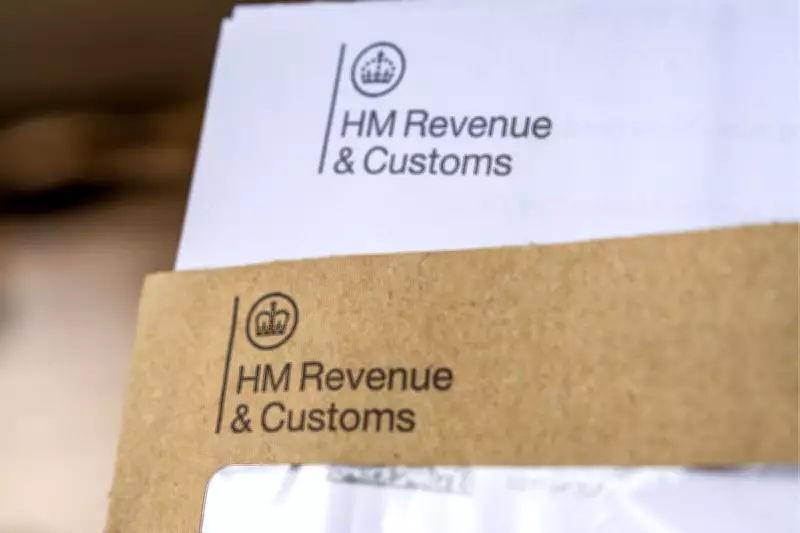
Salter further explained: "Until people do consistently open their HMRC correspondence, there is always going to be a problem and delays with the tax refund process."
Common Reasons for Tax Overpayments
Millions of people overpay tax annually for various reasons, making them eligible for rebates. You might be owed money if you:
- Received an incorrect tax code from HMRC or your employer
- Finished one job and started another, receiving payment from both in the same month
- Began receiving your pension before officially retiring
- Received employment and support allowance or jobseeker's allowance
How the Rebate System Works
Most taxpayers receive a P800 letter around June following the end of the tax year in April. This document informs them they're owed a rebate and instructs them to request payment via bank transfer (BACS) through their government gateway account, which can be opened at any time.
Until 2024, recipients had just 21 days to respond before HMRC automatically issued a cheque to their address on file. The persistence of uncashed cheques suggests many people either don't receive or don't open this crucial correspondence.
What Happens to Uncashed Cheques?
Those with uncashed HMRC cheques face important deadlines. While cheques technically become void after six months, this doesn't mean the money is lost forever. Taxpayers can request replacement cheques, and there's technically no time limit to cash them.
However, HMRC may find it increasingly difficult to verify rebate claims after nine years, potentially complicating the recovery process for delayed claims.
HMRC's Response and Future Directions
An HMRC spokesperson emphasized: "The vast majority of PAYE repayments are issued via bank transfer, which is now the default option, and the quickest and most secure way for customers to receive their money."
The spokesperson added: "Customers can still request to receive their repayment via cheque and it's their responsibility to cash it if they choose this method."
This situation highlights the ongoing challenges in modernizing government payment systems while ensuring taxpayers receive what they're owed. With £144 million in unclaimed rebates from just one year, the scale of the problem demands attention from both HMRC and taxpayers who may be missing out on significant sums.