
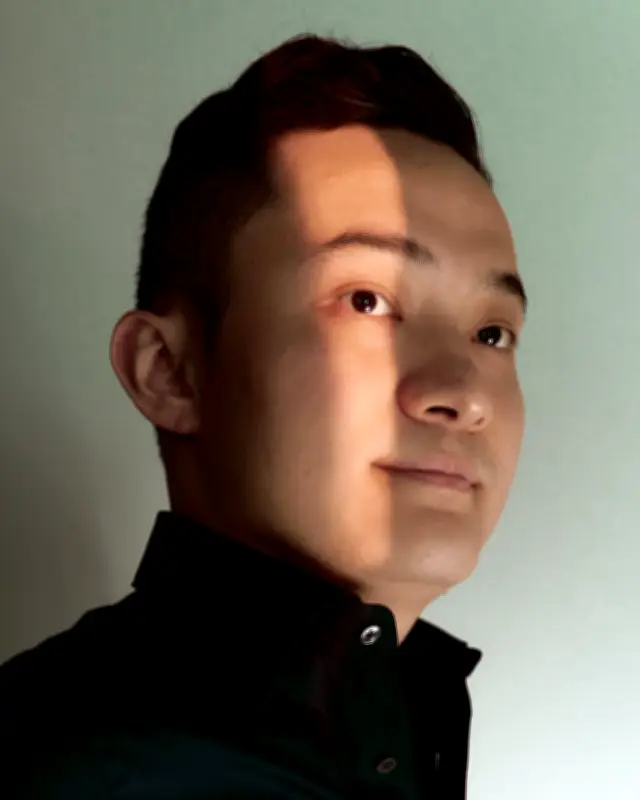
Justin Sun, the Chinese crypto billionaire behind Tron and BitTorrent, invested nearly $200 million of his own fortune into Donald Trump's digital asset ventures, helping the president generate at least $1.4 billion from crypto in a single year. The relationship has since soured into dueling lawsuits, with Sun accusing Trump's World Liberty Financial of illegally freezing his assets and the company countersuing him for defamation.
Sun's Rise and Crypto Empire
Sun, born in Qinghai, China, made his billions from crypto, starting with his TRX token on the Tron blockchain in 2017. He described it as "using blockchain technology to send money like you send emails on the internet." However, the platform has been used for illicit activities. According to investigative journalist Chris Harland-Dunaway, "The marquee names are Hezbollah and Hamas, but North Korean hackers also are active users on the Tron blockchain." Some estimates suggest nearly half of all illicit crypto transactions in some years occurred on Tron.
Sun's spokesperson countered: "Bad actors exist. The blockchain is just the latest in a long history of agnostic technologies to be misused – you don’t blame the internet for cybercrime, or cash for drug trafficking." They noted that since Tron helped launch the T3 Financial Crime Unit in September 2024, it has frozen over $450 million in illicit assets.
SEC Investigation and Trump's Entry
In March 2023, the US Securities and Exchange Commission (SEC) under the Biden administration alleged Sun ran over 600,000 fake trades to inflate TRX trading volume and pocketed $31 million from illegal token sales. He was also charged with hiding payments to celebrities like Lindsay Lohan, Ne-Yo, and Jake Paul for promoting TRX without disclosing compensation. All five celebrities settled with the SEC for amounts between $40,000 and $200,000.
During the investigation, Sun avoided the US due to fear of arrest, according to the Wall Street Journal. His spokesperson said he didn't enter the country because of Covid concerns. Former SEC chair Gary Gensler told the Guardian in April 2024: "We had very significant ongoing actions with regard to where we've alleged significant fraud around Justin Sun and Tron. This is a field that is rife with fraud and scams and mischief."
Sun's Investment in Trump's Crypto Ventures
After Trump's election, Sun bought $75 million worth of $WLFI tokens from World Liberty Financial, a crypto venture founded by Trump and his sons. The investment was seen as a bailout, as the company had struggled to raise funds and had cut its target from $300 million to $30 million. Sun's involvement gave the venture legitimacy, helping it generate $550 million in token sales. Forbes called it a "bailout."
Sun later bought over $100 million worth of Trump's memecoin, $Trump, and launched it on the Tron platform. His purchases won him a private dinner with the president and a $100,000 golden Trump watch. Sun said: "The Trump family is a very important US business family. So we want to be their important long-term partners."
Timing Raises Questions
Critics noted that shortly after Sun's $75 million investment, the SEC paused its case against him. Harland-Dunaway observed: "Justin Sun and the SEC together filed a motion to the judge who's overseeing the SEC case against Justin to put a stay on the case." The case was eventually dismissed in March 2025, with Sun paying a $10 million penalty to settle remaining claims.
Senator Richard Blumenthal wrote to the SEC chair, citing reporting that enforcement director Margaret Ryan left her role after being blocked from pursuing Sun. Blumenthal called it "a clear example of how President Trump’s blatant crypto corruption creates back doors for his family’s business partners." A spokesperson for Sun denied any link: "Justin’s crypto purchases are wholly unrelated to the SEC’s decision to pause the enforcement action against him."
Falling Out and Lawsuits
In August 2025, Sun discovered that World Liberty Financial's governance token code gave secret admins the power to freeze any holder's funds. When Sun's tokens were frozen, he sued the company in California federal court on April 21, accusing it of using a "backdoor blacklisting function" and treating him like a "personal ATM." World Liberty Financial countersued on May 4, accusing him of shorting the company and defamation. Both cases remain unresolved.
Sun told the Guardian: "Fundamentally speaking, I think they just don’t understand the value of cryptocurrency and why it got invented in the first place. World Liberty Financial has all the freezing functions. They can freeze everybody’s assets, which is wrong." World Liberty Financial responded that Sun agreed to the freezing authority in the token unlock agreement.
Impact and Broader Concerns
The Trump family's crypto windfall, largely thanks to Sun, raises questions about the president's cozy relationship with the crypto industry. Trump's income of at least $2.2 billion in a single year dwarfs historical presidential corruption scandals like Teapot Dome, which involved $400,000 in bribes (about $6 million today). Sun's complaint against World Liberty Financial alleges the company "used the project as a golden opportunity to leverage the Trump brand to profit through fraud."
Despite the legal battle, Sun's spokesperson insists he still supports Trump and believes the actions are "not at all consistent with the president’s values." The Trump family continues to profit from crypto, largely at the expense of retail investors who have lost billions in the ventures.




