
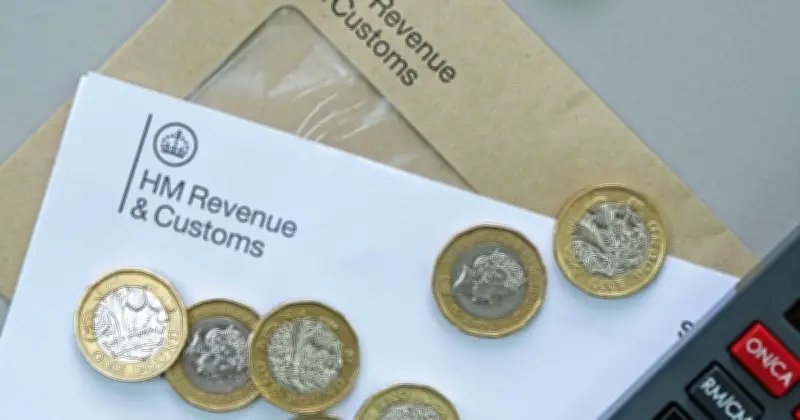
Millions of Britons could face higher tax bills as a result of a hidden raid caused by frozen tax thresholds, experts have warned. New data from HM Revenue and Customs (HMRC) projects the number of higher-rate taxpayers to reach 7.7 million in the 2026/27 tax year, an increase of 33.8% compared to 2023/24. Meanwhile, the number of people paying the additional rate of tax is expected to more than double over the same four-year period.
Fiscal Drag Drives Stealth Tax Increase
The rise is attributed to fiscal drag, which occurs when tax allowances and thresholds are frozen instead of rising in line with inflation or wage growth. Because these thresholds fail to keep pace with the rising cost of living, the real value of what people can earn tax-free decreases. This process acts as a stealth tax, pulling more low-earners into income tax and pushing existing workers into higher tax brackets as their wages rise.
HMRC records show the four largest annual increases in higher-rate taxpayers since 2021. In addition to rising incomes and population changes, the decision to hold tax thresholds steady has played a significant role. Workers across the UK now face higher tax rates as a result.
Experts Warn of Dramatic Shift
Marianna Hunt, personal finance expert at Fidelity International, said: "Higher-rate taxpayers are no longer a small group of top earners. Because of frozen tax thresholds, millions of workers bringing home what probably feels like a relatively normal income are now paying rates of tax that would once have been reserved for much higher earners."
Ms Hunt described the shift as "dramatic" and emphasised that many people have been caught by thresholds despite not becoming wealthier. However, she outlined strategies to mitigate the impact, including pension contributions.
Strategies to Reduce Tax Burden
Ms Hunt explained: "If you've only recently become a higher-rate taxpayer, increasing your pension contributions could bring some of your income back below the higher-rate threshold." Maximising ISA allowances is another method, as it helps protect future investment returns and income from taxation, according to Ms Hunt.
She added: "As more people are drawn into higher tax brackets, it's becoming increasingly important to review your finances regularly rather than assuming tax planning is only something that matters to the very highest earners."




