
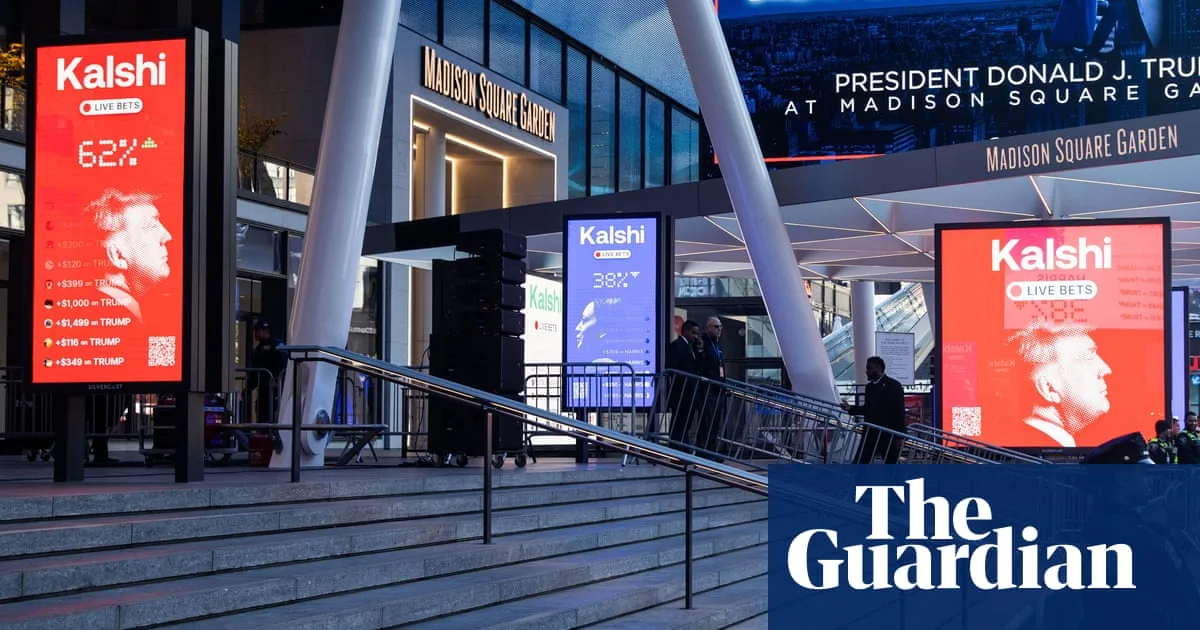
State lawmakers and gaming regulators across the United States are intensifying efforts to rein in prediction markets, with at least 20 federal lawsuits filed nationwide challenging the legal status of platforms such as Kalshi and Polymarket. Critics argue these fast-growing services are effectively gambling operations that have been reclassified as financial trading to bypass state gaming laws and taxes.
The platforms maintain that their offerings are legitimate ‘event derivatives’ regulated by the federal Commodity Futures Trading Commission (CFTC), making them available in all 50 states to users aged 18 and over. By contrast, licensed sportsbooks operate only in the 39 states plus Washington DC that have legalised sports betting since the Supreme Court lifted the federal ban in 2018, and they face stricter rules including age limits of 21 and over, responsible-gaming mandates and independent audits.
The legal battle has intensified as trading volumes soar. More than $1 billion was traded on Kalshi alone during Super Bowl Sunday, and January volumes reportedly reached nearly $10 billion, much of it tied to sports. The CFTC this week filed a friend-of-the-court brief defending its exclusive jurisdiction, while state authorities have issued cease-and-desist orders and consumer alerts. New York’s gaming commission ordered Kalshi to stop offering sports-related contracts in October, prompting the company to sue.
‘The lines between gambling and investing have been blurred,’ said John Holden, a business law professor at Indiana University. ‘Eventually this is going to come to a head.’ Gaming lawyer Gregory Gemignani of the University of Nevada, Las Vegas noted that licensed sportsbooks must comply with extensive regulations, while prediction markets have none. Legal scholars suggest the dispute could ultimately reach the Supreme Court.
In response to the crackdown, the companies have launched promotional stunts in New York, including grocery giveaways. Kalshi offered $50 toward groceries, and Polymarket announced a five-day ‘free grocery store’, which was widely seen as a nod to New York City Mayor Zohran Mamdani’s proposal for city-run supermarkets. Mamdani responded with a meme on social media, underscoring the growing friction between the industry and state officials.




