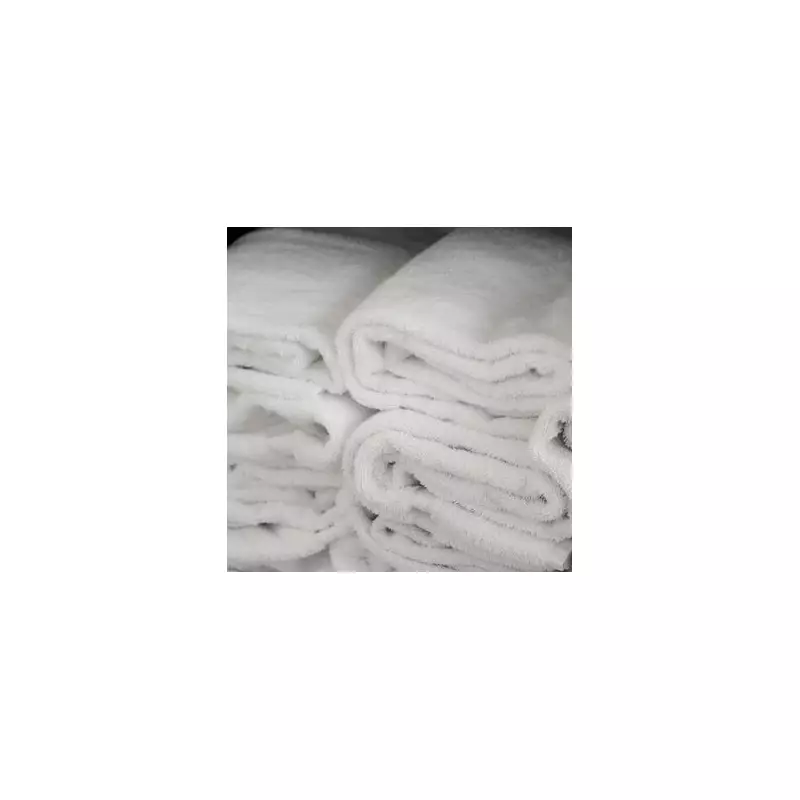
Brits are being urged to try a simple household hack involving vinegar to combat the common problem of towels losing their softness and becoming scratchy over time.
The Science Behind Scratchy Towels
According to Dr Primrose Freestone, an associate professor in clinical microbiology at the University of Leicester, the loss of fluffiness is a scientific process. Most towels are made from cotton, a natural fibre composed of many tiny filaments. Dr Freestone, speaking to consumer champion Which?, explained that repeated washing with detergent and fabric softener can deposit a waxy residue on these fibres, making them feel hard. While all towels eventually succumb, higher-quality options like Egyptian cotton tend to stay softer for longer due to their more ordered fibre structure.
The Vinegar Soak Method Tested
To combat this build-up, specialists at Which? suggest a pre-wash soak using white vinegar. Victoria Purcell, the organisation's laundry editor, put the method to the test. She soaked towels in a bath with just enough water to cover them, adding two litres of white vinegar and leaving them for an hour. After rinsing, the towels were washed on a cotton 40°C cycle with no detergent or softener.

Following a vigorous shake during and after drying, Purcell reported that the process did lead to noticeably softer towels. However, she admitted they were "not new-towel soft by any stretch of the imagination" and noted the lengthy process made her flat smell strongly of vinegar.
A Crucial Warning and Final Resort
A key warning accompanies this tip: you should never pour vinegar directly into your washing machine's drum or dispenser. Doing so can corrode rubber seals and plastic components over time, leading to costly damage. The recommended product, such as a 35p bottle of Distilled Vinegar from Aldi, is for soaking only.
For very old or poor-quality towels, the vinegar trick may not be enough. In such cases, Which? advises against simply binning them. Instead, consider repurposing old towels as cleaning rags or donating them to a local textile recycling facility.