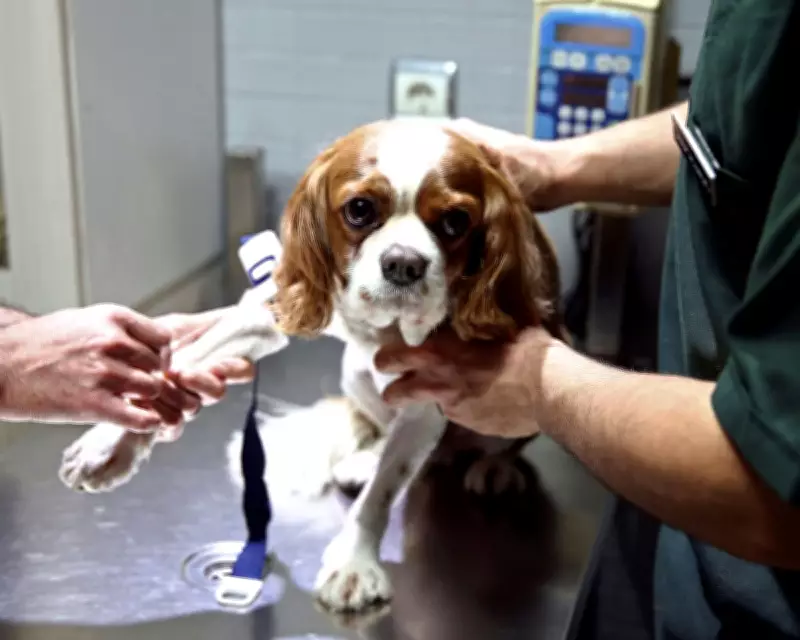
Veterinary Sector Under Pressure as Reforms Spark Cost and Access Concerns
The Competition and Markets Authority (CMA) report on veterinary chains has been welcomed by some, but it raises significant issues for struggling pet owners and independent practices across the UK. The proposed remedies include a new levy of between £600 and £1,000 per year, to be paid by veterinary practices to the regulator. For small independent referral practices, this represents an approximate 5% increase in costs, which is likely to lead to higher prices for treatments. These price adjustments have been transparently displayed on practice websites since their implementation.
Financial Strains on Veterinary Professionals
Current median salaries for veterinary surgeons are notably lower than those of teachers and nurses, despite the rigorous training requirements. Veterinary qualifications demand a minimum of five years of undergraduate study, without the clinical years bursaries available to doctors and dentists. This financial burden contributes to the sector's challenges in maintaining affordable care.
If society considers affordable veterinary care essential, it must provide adequate support to the industry. Many veterinary practices operate with profit margins similar to those of pubs rather than large corporations. A potential solution to reduce costs could involve the government removing VAT on veterinary services, as it is not charged on private human medicine. This change could instantly lower bills by 20%, alleviating some of the financial pressure on pet owners.

Access to Specialist Care at Risk
Beyond cost concerns, there is a growing issue regarding the availability of appropriate veterinary care. The proposed closure of Great Western Exotics in Swindon, a specialist referral hospital owned by IVC Evidensia and operated through Vets Now, highlights this gap. Although the closure has been delayed, services have already been significantly reduced, with no new cases being accepted and work limited largely to emergencies. This leaves referring vets and clients in a state of uncertainty.
Veterinary professionals have expressed worries that referral services are under considerable strain. There has been little clarity on how continuity of care, referral capacity, or welfare considerations are being addressed during this period. If reforms do not adequately consider specialist provision, training pathways, and referral capacity, access to care—particularly for complex or less common species—could be further compromised.
Corporate Takeovers and Transparency Issues
A major factor driving up the cost of veterinary treatment is the takeover of small, independent surgeries by large corporations. Often, pet owners are unaware of these ownership changes because the surgery names remain the same. This lack of transparency makes it difficult for consumers to identify independent practices that may offer fairer prices.
One reader shared their experience of changing surgeries after more than 20 years when their local practice was bought out, noting that the service became more focused on profitability than on treating their cat. This underscores the need for regulations that require corporations to change surgery names upon acquisition, allowing pet owners to make informed choices.
The overarching question remains: if society demands affordable veterinary care as a public good, who should bear the cost? Individual vets and nurses already contribute more than their fair share, and without systemic support, the sector risks further decline. Reforms must balance fairness for both veterinary professionals and pet owners to ensure sustainable and accessible care for all animals.