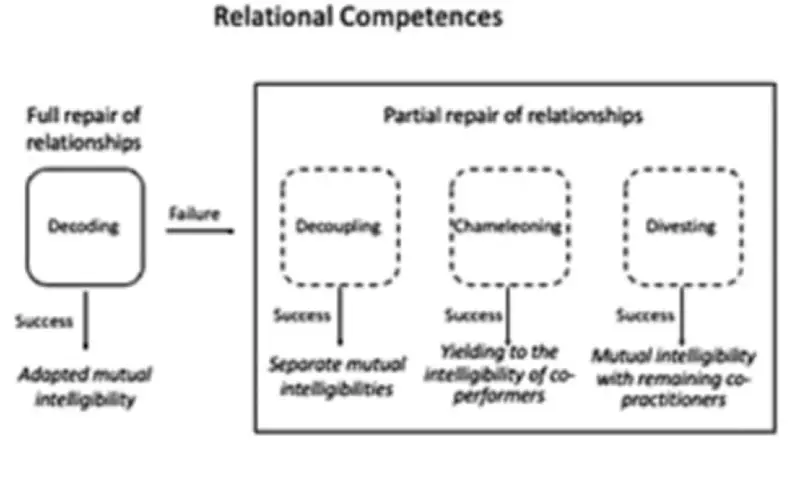
Vegans have cultivated four distinct "special skills" to help them navigate complex social landscapes, according to a groundbreaking new study from Concordia University. Researchers dub these strategies decoding, decoupling, divesting, and chameleoning, each designed to manage interactions with non-vegans and reduce potential conflicts.
The Four Key Strategies Unveiled
The study, published in the Journal of Consumer Research, reveals how vegans employ these techniques to maintain relationships while adhering to their dietary principles. Lead author Dr. Aya Abolenien, associate professor at HEC Montréal, explains that vegans often "feel unwelcome in circles previously familiar, either as a burden on the host, as they have to prep something for them, or as a 'killjoy.'" These strategies make it easier for them to navigate their relations effectively.
Decoding: Explaining Vegan Choices
The first skill, decoding, involves vegans learning to articulate their dietary choices clearly to others. This might include explaining why they avoid honey or meticulously reading food labels to identify animal products. One interviewee described always calling restaurants ahead to inquire about menus and clarify dietary requirements, ensuring smoother dining experiences.

Decoupling: Participating Without Conflict
Decoupling is the art of engaging in group activities without sparking disagreements. Dr. Abolenien notes this helps vegans "become less of a burden or centre of attention and spend their shared time more smoothly." Practical examples include bringing pre-prepared meals to gatherings or eating beforehand. One participant even shared skipping major family meals like Thanksgiving, arriving later with their own dessert to avoid tension.
Divesting: Avoiding Food-Based Interactions
Taking a more radical approach, divesting entails completely avoiding food-related interactions with non-vegans. Some vegans choose this path to sidestep bickering and intrusive questions at events, while others view it as a moral stance. A couple interviewed mentioned considering cutting ties with omnivore friends due to eroded trust, highlighting the emotional weight of this strategy.
Chameleoning: Flexible Adaptation
Chameleoning involves adopting a relaxed attitude toward vegan rules in specific contexts. For instance, one vegan eats animal products when visiting in-laws to avoid pressuring them, while others consume non-vegan items when alternatives are unavailable. However, this flexibility can lead to criticism from fellow vegans, who may label them as "liars" or "fake vegans."
Underlying Social Fractures
Beyond these skills, the study identifies three main "fractures" that strain vegan relationships. Co-performance fractures occur when vegans try to integrate their lifestyle into shared practices like family meals. Co-learning fractures arise among vegans debating what qualifies as vegan food or appropriate interaction levels with non-vegans. Marketplace fractures refer to difficulties in finding suitable vegan products in certain regions.
Co-author Professor Zeynep Arsel of Concordia University emphasizes, "A lot of consumption is moral, even if we don't think it is. And when there is a moral element, it is bound to cause friction." This insight underscores the broader societal challenges vegans face, making these four skills crucial for daily navigation.