As the final festive bottles hit the recycling bin and New Year resolutions solidify, a quiet revolution is reshaping the British pub scene. The concept of 'mindful drinking' has moved far beyond the token gesture of Dry January, fuelling an unprecedented boom in no- and low-alcohol (no-lo) beers that finally taste like the real thing.
The End of the Compromise: How No-Lo Beer Got Good
Gone are the days when opting for an alcohol-free beer meant settling for a sad, bitter imitation. The UK's first foray into this market was Barbican, launched by Bass in 1979, a product often remembered more for its good intentions than its flavour. For decades, the dealcoholisation process, using methods like vacuum distillation or reverse osmosis, often stripped away the very compounds that gave beer its character alongside the ethanol.
Today, driven by soaring consumer demand, massive investment in research and development has transformed the sector. The game-changer for many, especially small craft breweries, is the arrival of new, hybridised yeast strains. These yeasts ferment only a small fraction of the sugars in the mash, resulting in a brew that is naturally very low in alcohol from the start, often at or below 0.5% ABV. This is complemented by advanced biotech products that can skilfully reintroduce the essential aromas, flavours, and mouthfeel that drinkers crave.

Functional Brews and Pub-Friendly Pints
The innovation doesn't stop at taste. Pioneering brands like Impossibrew are incorporating functional, nootropic ingredients designed to mimic the relaxing, social 'buzz' of a traditional pint. While the science behind these effects may be debatable, their role as a stimulating talking point in the pub is undeniable. However, experts caution that no-lo beers can be more prone to bacterial contamination than their alcoholic counterparts, making canned or bottled options from shops a safer bet than dubious draught lines in less-scrupulous bars.
This surge in quality means that abstaining or cutting back no longer feels like a sacrifice. Whether it's for health, driving, or simply a quieter January, consumers can now reach for a satisfying alternative that feels like a 'real' drink at the end of the day or in the company of friends.
Four No-Lo Beers to Start 2026
Yop Rock, Bluntrock Brewery (0.5%, £3.50/440ml): A zesty, lemony lager with a refreshing hint of sea spray. A vibrant and delicious choice.
Cask Reserve Amber, Impossibrew (0.5%, £34 for 10x440ml cans): A rich, malty ale with balanced bitterness. A complex, wintry brew that's seriously moreish.
Pine Trail Pale Ale, Big Drop Brewing Co (0.5%, £1.80/330ml at Ocado): A fruity, hoppy, and slightly floral pale ale from an award-winning specialist no-lo brewery.
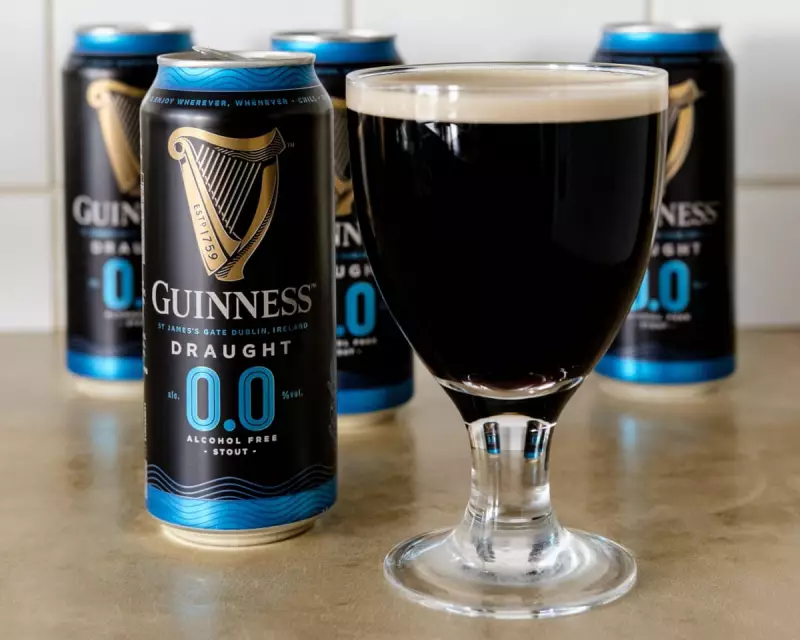
Guinness Draught 0.0% (0.0%, approx. £5.50 for 4x440ml cans): The iconic stout goes alcohol-free. While it may not be quite as satisfying as the original, it comes impressively close and is a reliable, widely available option.
The landscape of social drinking in Britain is changing for good. With technology delivering superior taste and variety, the no-lo movement offers a credible and enjoyable path for moderation year-round. So here's to a happy, and perhaps less hazy, 2026.