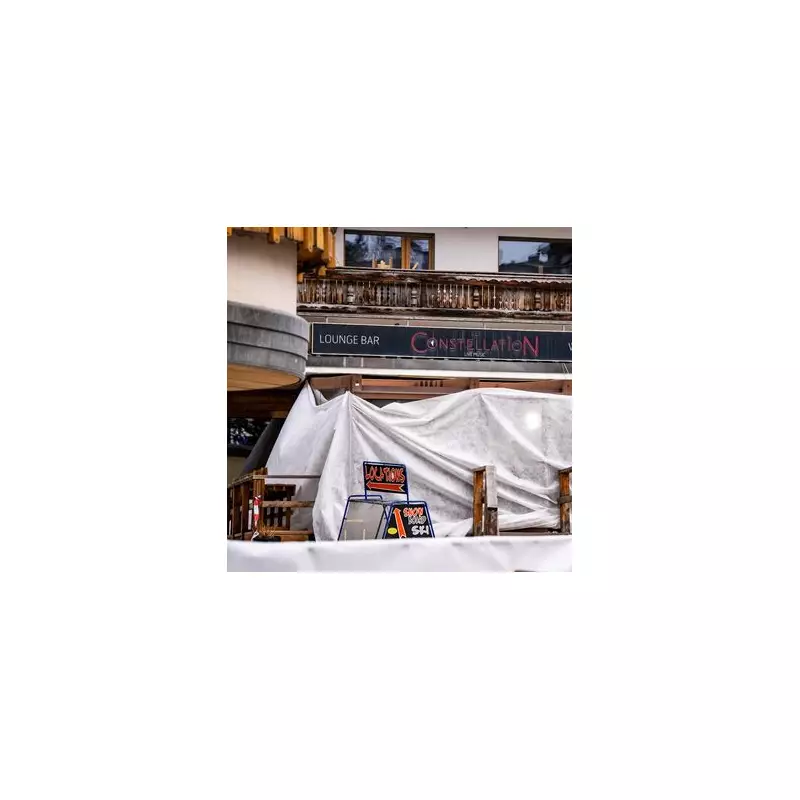
The devastating fire at a Swiss bar on New Year's Eve, which claimed 40 lives and injured 119, has sparked a crucial conversation far beyond the Alpine resort of Crans-Montana. The tragedy at the Le Constellation bar has become a horrifying case study in how modern distractions, particularly our smartphones, can impede our most basic survival instincts.
The Night That Shocked the World
In the early hours of New Year's Day, a celebration turned into a nightmare at the Le Constellation bar in the mountain resort of Crans-Montana. By Sunday, 5th January 2026, all victims, aged between 14 and 39, had been identified. Fifteen of those who died were under the age of 18. The images that emerged were deeply disturbing, showing the moment the fire is believed to have started: bar staff carried on shoulders, delivering champagne bottles with lit sparklers attached.
Investigators are examining whether sparks from these sparklers ignited foam soundproofing on the ceiling. They are also probing potential overcrowding, access to emergency exits from the basement, and the availability of fire extinguishers. Six victims were so severely burned that identification proved difficult, and many of the 119 injured are still being treated for serious burns.

A Fatal Delay: Filming Instead of Fleeing
Perhaps the most chilling aspect of the footage was the reaction of many inside. As the ceiling blazed, some revellers were seen continuing to party, with teenagers even doing a conga line before throwing drinks at the flames. Most alarmingly, numerous partygoers used their mobile phones to film the fire spreading across the ceiling above them, rather than immediately heading for the exits.
This behaviour, while partly explained by suggestions some mistakenly believed the fire was part of an act, points to a deeply normalised and dangerous instinct. We live in an "Instagram sub-culture", where the urge to document and share an experience often overrides the imperative to act or escape. This phenomenon is not limited to the young; adults are equally culpable, often consuming the very content they criticise.
A Vital Conversation on Situational Awareness
The tragedy has forced parents and guardians worldwide to initiate difficult conversations about situational awareness. This is not about blaming the victims, who rightly expected a safe environment, but about fulfilling a parental and societal duty. We must reinforce the critical importance of recognising danger and reacting appropriately, a skill dulled by constant digital connection.
The consequences of this distraction are fatal. In the panic at Le Constellation, the inebriated and those unable to move quickly were tragically left behind. The event echoes other incidents, like the crowd of cameras pointed at Anthony Joshua after a recent car crash, where recording took precedence over offering aid.
The Swiss fire is a terrifying reminder for people of all ages: in an emergency, your first action should be to save yourself and help others, not reach for your phone. Putting the device away and assessing your surroundings could be the difference between life and death.