Martin Lewis' 1p-an-hour gadgets to stay warm amid energy price hikes
Stay warm for less than 1p an hour with these gadgets

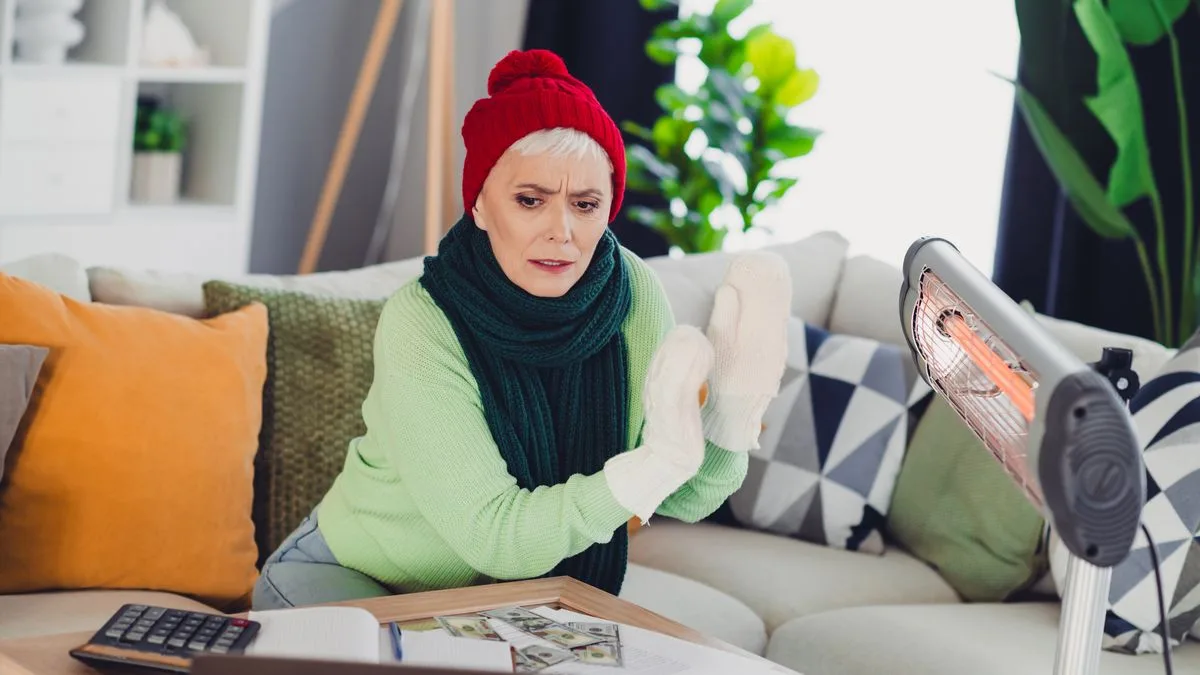
With the cost of heating a home becoming increasingly prohibitive for many families across the UK, financial experts are urging people to consider a radically different approach: heating the person, not the property.

The desperate need for affordable warmth

The team at Money Saving Expert (MSE), founded by consumer champion Martin Lewis, has issued new guidance in response to what Lewis describes as an "overflowing email bag of desperation". This follows a two per cent rise in energy tariffs that came into effect on 1 October last year, making central heating "even more unaffordable" for countless households.

Lewis was keen to frame the advice not as a recommendation, but as a necessary resource. "This is a guide I really wish we needn't be publishing," he stated. The guidance is aimed both at those in "financial desperation" needing to drastically cut energy use, and others motivated by environmental concerns.

Top picks for cost-effective personal heating

MSE has compiled a list of the most economical gadgets currently on the market to help individuals stay cosy without racking up huge bills. The analysis focused on calculating the cheapest items to run, with a notable trend emerging: USB-rechargeable devices often offer the lowest operating costs.

The site cautions that while these are cheap to run, they may only warm specific body parts, and initial purchase price and quality should also be considered. Always check safety advice and read reviews before buying.

USB-powered solutions (under 1p per hour)

USB-powered gloves, available for around £10, cost less than 1p per hour to run. Based on five hours of daily use, weekly costs are approximately 4p.

Heated shoe or slipper insoles share the same £10 price point and identical running costs of under 1p per hour.

While slightly more expensive to buy at £15, USB hand warmers are equally frugal to use, costing under 1p hourly.

An electric gilet (body warmer) retails for about £50 including a battery pack, but again runs for under 1p an hour.

Traditional and mains-powered alternatives

For those preferring more conventional methods, MSE also analysed other options. A microwaveable wheat bag (approx. £4) costs under 1p per hour to heat but only retains warmth for 20-40 minutes.

The classic hot water bottle (1.5 litre) costs roughly £5.50 and about 4p per hour to fill, equating to 69p weekly if used twice daily.

Reusable hand warmers (approx. £5 per pair) cost under 1p per hour to activate on a gas hob, or around £2.15 if using electricity.

Moving to mains-powered items, an electric heat pad (around £20) runs at about 2p per hour. Electric footwarmers (£25) and electric blankets (£35) have similar operating costs. MSE notably warns that fire services generally advise against buying second-hand electric blankets due to safety risks.

Additional strategies to conserve heat and health

Beyond gadgets, the MSE team recommends several simple, low-cost behavioural changes to stay warm:

  • Dressing in multiple layers to trap body heat.
  • Eating regularly and ensuring at least one hot meal each day.
  • Using rugs and wearing slippers to keep feet cosy.
  • Choosing appropriate socks and changing them if they become damp.
  • Staying physically active to generate natural body warmth.

The guide underscores that living in persistently cold conditions can increase vulnerability to illness, making these measures crucial for both financial and physical wellbeing. For those struggling with energy bills, further guidance is available on the Money Saving Expert website.