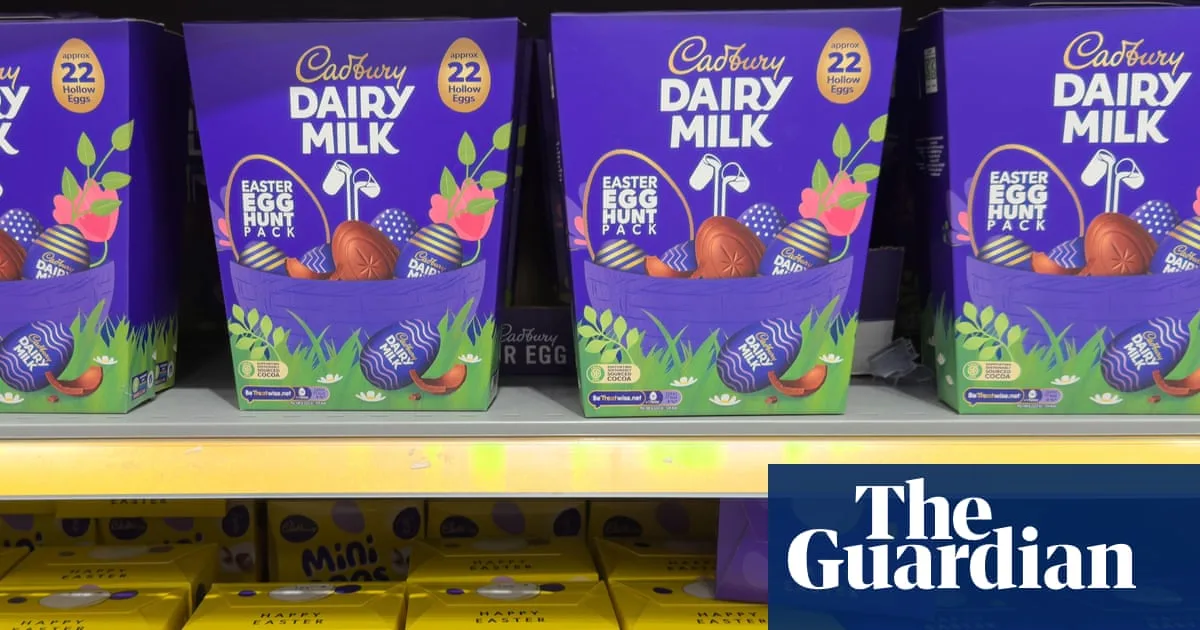
Shoppers are paying more for less this Easter as shrinkflation hits popular chocolate eggs, with some prices rising by over 40% while sizes shrink, according to research by consumer group Which?.
At Asda, the Galaxy milk chocolate extra large Easter egg costs £5.97 for 210g this year, compared with £4.98 for 252g in 2025 – a 44% increase per 100g. Tesco sells the same egg at £7, £1 more than last year. The M&M's Crispy Easter egg at Asda shrank from 192g to 156g, while the price rose 49p to £3.97, a 40% increase per gram.
In Tesco, a Maltesers milk chocolate Easter egg slimmed from 231g to 194g but rose from £6 to £7, making it 39% more expensive per 100g. At Morrisons, a Cadbury Mini Eggs egg went from £4 for 193.5g to £5 for 181g, a 34% increase per 100g. The Toblerone The Edgy Egg at Morrisons cost £14 for 298g last year; now it is £15 for 256g, up 25% per 100g.
Chocolate prices have risen due to poor cocoa harvests in West Africa, particularly Ghana and Côte d'Ivoire. While cocoa prices have fallen from a peak of over £9,000 per tonne at the end of 2024 to about £2,000 now, they were at least double current levels between January 2024 and January 2026. Overall food inflation slowed to 3.9% in February, but chocolate costs rose 9.7%.
Mars Wrigley, owner of Galaxy, M&Ms and Maltesers, said it aimed to absorb rising costs but had to make changes due to cocoa price pressures, noting final pricing is at retailers' discretion. Which? senior editor Reena Sewraz said: 'It's disappointing to see Easter treats aren't safe from shrinkflation. Manufacturers are quietly giving shoppers less for more, so it's no wonder people feel cheated.' She advised checking the 'price per 100g' label to compare deals.
Tesco responded that the prices quoted do not reflect what most customers pay, as four of the five products highlighted are on Clubcard Price deals, with the Galaxy and Maltesers eggs both half price at £3.50.