Shake Shack's Tipping Controversy Sparks Customer Outrage
Another beloved American restaurant chain finds itself embroiled in controversy as tipping culture reaches new extremes. Shake Shack, the 421-location "fine-casual" dining establishment renowned for its premium burgers, crinkle-cut fries, and thick milkshakes, now faces significant criticism for prioritising gratuity demands over quality service.
The Mobile Ordering Debacle
A customer with social anxiety recently detailed their frustrating experience using Shake Shack's mobile ordering service, which theoretically eliminates human interaction. Despite this no-service model, the Shake Shack app automatically defaults to adding a 10 percent tip to all mobile orders, requiring customers to manually adjust this amount if they wish to pay less.
After removing the tip entirely, the customer arrived to collect their order only to discover it hadn't been prepared. An employee explained they had "missed that one," prompting the customer to question whether the lack of preparation resulted from their decision not to tip.

Substandard Food and Lengthy Delays
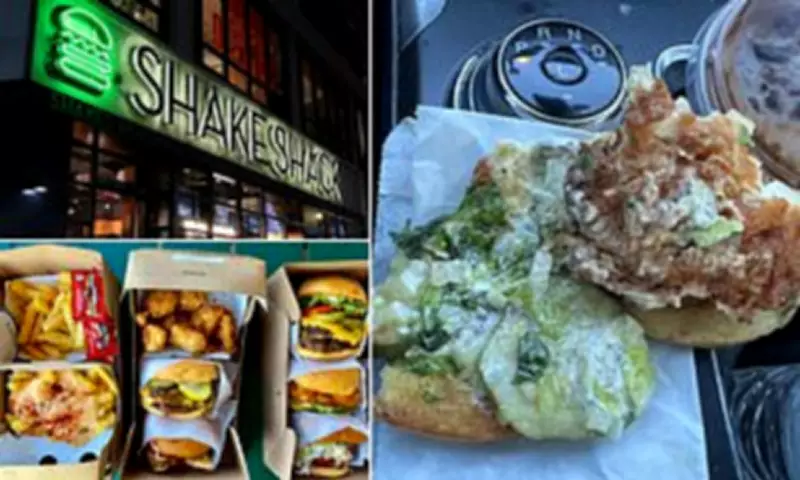
Following a fifteen-minute wait in the crowded restaurant—precisely the situation the socially anxious customer had hoped to avoid—the food finally arrived in disappointing condition. The whipped cream on the milkshake had nearly completely melted, while the burger contained limp lettuce and insufficient sauce, deviating significantly from Shake Shack's usual standards.
"The sandwich tasted awful compared to how it usually is," the customer reported. "I opened it up and it looked gross... I ended up throwing the rest of it away along with the shake, which didn't have a good flavor."
Customer's Scathing Open Letter
In a strongly worded open letter to Shake Shack, the customer expressed their frustration with the chain's approach. "Shake Shack, you charge a premium for your food and then have the nerve to ask the patrons who choose to spend money at your business over the many others they could pick, to tip your staff, who can't even get a simple order right," they wrote.
The customer suggested Shake Shack should "quit begging for tips" and instead "focus on getting orders out on time and done well." They concluded by announcing their intention to take their business elsewhere, specifically mentioning Cava as an alternative that explains why they don't solicit tips from customers.
Broader Tipping Culture Concerns
Shake Shack's situation reflects a wider trend across the casual dining industry, where customers report similar experiences with other popular chains.
Multiple Chains Employ Similar Tactics
Other customers have reported comparable issues:
- Chipotle implements similar default tipping on mobile orders
- Dutch Bros' app automatically adds a 20 percent tip that reappears even after removal
- Jersey Mike's faces accusations of being "tip beggars"
Dave & Buster's Tipping Scandal
Dave & Buster's recently faced accusations of running a tipping "scam" when customers noticed discrepancies between paper and digital receipts. While both displayed the same percentage options (18, 20, and 22 percent), the digital payment terminal showed higher dollar amounts for each suggestion.
The discrepancy resulted from the digital system calculating tips based on post-tax totals, while the paper receipt used pre-tax amounts—a practice that has become increasingly common as tipping culture evolves.
Creative Tipping Strategies Across Industries
The pressure for tips extends beyond traditional restaurant settings, with various businesses implementing innovative approaches to increase gratuities:

- Some Denny's servers have applied employee discounts to increase the base amount on which tips are calculated
- Uber Eats has been accused of "tip baiting" customers into adding larger delivery gratuities
- Certain restaurants automatically add gratuity to bills while still providing a blank line for additional tips
- A Las Vegas establishment requested tips of 18, 20, or 25 percent on top of already-included service charges
As tipping expectations continue to expand across service industries, customers increasingly question whether businesses should focus more on delivering exceptional service rather than implementing aggressive gratuity collection strategies. The Shake Shack incident serves as a prominent example of growing consumer resistance to what many perceive as excessive tipping demands.