Potato Outperforms Soap for Cleaning Baking Trays, Expert Reveals
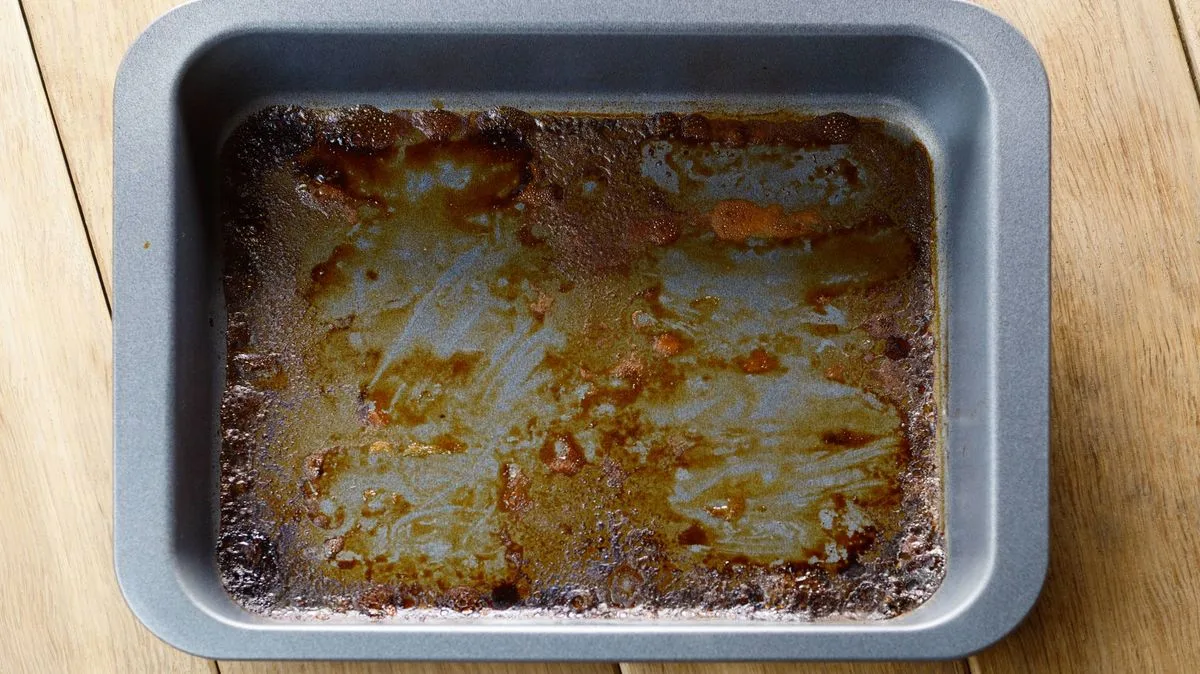
If you have ever struggled with stubborn grease and grime on your baking trays after roasting or frying, a cleaning expert has shared a surprisingly effective hack. The solution involves a common vegetable that is likely already in your kitchen, proving to be much better than traditional soap for tackling tough stains.
The Frustration of Post-Meal Cleanup
One of the most annoying aspects of cooking a delicious meal is the inevitable cleanup that follows. While washing plates and cutlery is usually straightforward, roasting or frying with grease or fat often leaves behind persistent stains that resist a simple rinse in soapy water. Even dishwashers, which can sometimes speed up the process, are far from foolproof. Frequently, those pesky food marks survive the dishwasher cycle, forcing you to scrub baking trays, frying pans, or roasting tins by hand.
The Vegetable-Based Cleaning Method
According to a cleaning expert on social media, there is a clever trick for shifting stubborn grease and food stains. In a video posted on Instagram, the expert behind the Honest Home account demonstrated that all you need is boiling water, a sprinkle of salt, and a humble potato. The process begins by submerging a grubby baking tray in boiling water and letting it sit for a few minutes to loosen the muck. After draining, halve a potato, sprinkle salt on one cut side, and use it to scrub the tray's surface. Immediately, the grime and grease start to shift, and with an extra dash of salt, the tray becomes spotless. Finally, wash the tray as usual to reveal gleaming results.
Why Potatoes Work So Well
Potatoes are rich in oxalic acid, a substance often sold in its pure state as a rust remover. When oxalic acid interacts with rust, it forms a compound called iron oxalate that can be easily rinsed off with water and soap. Scrubbing old baking trays with a potato, combined with salt or baking powder, helps dislodge stubborn dirt while buffing the surface back to its original lustre. Interestingly, Tasting Table notes that sweet potatoes contain more rust-busting oxalic acid than white potatoes, but standard varieties like Maris Pipers will still do the job effectively.
Alternative Cleaning Methods for Baking Trays
While the potato hack is highly effective, there are other methods to clean stubborn grime from baking trays:
- Baking Soda and Vinegar Method
- Sprinkle a generous layer of baking soda over the tray.
- Spray or pour white vinegar over the baking soda, causing it to fizz.
- Let the mixture sit for 30 minutes to 1 hour.
- Scrub with a non-abrasive scrubber or scouring pad.
- Rinse thoroughly with hot water.
- Soak with Dish Soap
- Fill the tray with hot water and add a good squirt of dishwashing liquid.
- Let it soak for several hours or overnight.
- Use a sponge or scrubber to remove loosened grime.
- Rinse and dry.
- Kitchen Foil Scrub
- Crumple a piece of kitchen foil into a ball.
- Use it as a scrubber with dish soap and hot water (only on metal trays, not non-stick).
Essential Tips for Maintaining Baking Trays
To keep your baking trays in top condition, follow these practical tips:
- Avoid using steel wool or harsh abrasives on non-stick or coated trays, as they can damage the surface.
- For regular maintenance, line trays with parchment paper or foil before baking to prevent buildup.
- Clean trays soon after use to make the process easier and more effective.
This innovative approach not only saves time and effort but also leverages natural ingredients for a sparkling clean finish, making it a must-try for any home cook.