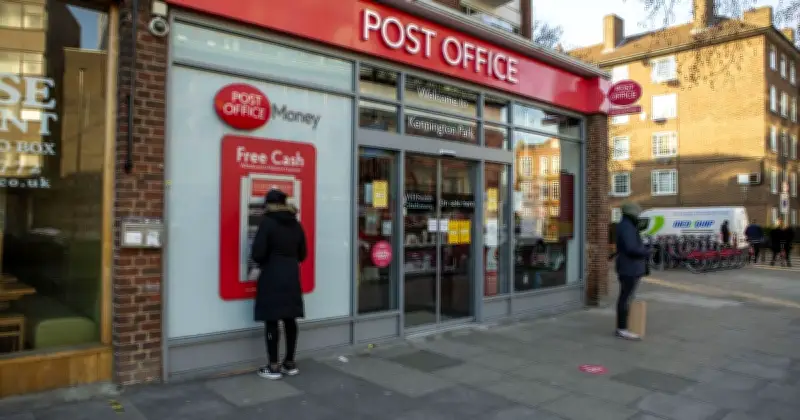
The number of personal cash deposits made at Post Office branches rose by 7% to exceed 17 million this summer, as more households turn to physical currency to budget and plan ahead.
Figures from the Post Office's latest Cash Tracker show a sharp increase in families relying on notes and coins between July and September. Deposit volumes grew by 3% from the previous quarter, while the total value of deposits rose by 5%, pointing to an early push by families to build a financial buffer before winter.
Cash use rises as living costs bite
Almost half (48%) of people said rising living costs have prompted them to save earlier this year, with cash playing a key role in that planning. Sixty-three percent use cash to budget or keep money aside for specific expenses, while 31% said cost-of-living pressures have led them to manage their finances with cash rather than cards.
Ben Hunter Woollard, head of banking at Post Office, said: "As households brace for a more expensive festive season, Post Office branches have handled a high number of personal cash deposits this summer."
He added: "For many people, using cash is a helpful way to plan ahead, budget and put money aside for specific costs."
Withdrawals also climb
Personal withdrawals also rose, surpassing 21 million between July and September, up 3% on the previous quarter. Among those who set money aside by withdrawing cash, 46% said it helps them keep track of what they have left to spend, while 37% said it helps curb overspending.
Hunter Woollard said: "These findings underline how important cash remains, and at the Post Office, we are committed to keeping cash accessible on local high streets, making sure customers can securely pay in or withdraw money into their bank accounts locally, whenever they need to."
Postmasters see regular deposits add up
Ying Shi, postmaster at Caterham Post Office, said: "Many of my customers regularly come in to deposit small amounts of cash, sometimes just £20 or £30 at a time. It might not seem like a lot, but those regular deposits soon add up and help people prepare for costs they know are coming."
Shi added that it is also "a practical way to budget, and one of the reasons our cash banking services remain so valuable to customers."
The findings come as the Government steps up guidance urging households to prepare for national crises, including keeping physical currency at home in case digital banking systems go down. The official "Be Ready" campaign asks Britons whether they could cope for three days if power cuts, severe weather, or cyberattacks disrupted essential infrastructure, and recommends keeping a store of mixed notes and coins.