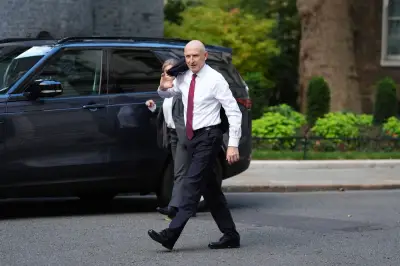
Prime Minister Andy Burnham has two upcoming opportunities to demonstrate that his devolution pledges will benefit Wales, following a pattern of unfulfilled promises from his predecessors. The budget, scheduled for Wednesday, October 28, and a subsequent meeting of the National Economic Council with leaders of the devolved nations, are seen as crucial tests of his approach.
A History of Unfulfilled Promises
Previous Prime Ministers have made commitments to Wales that were not delivered. In March 2020, Boris Johnson spoke in Llangollen about "repaying trust" and promised to back an M4 relief road, despite having no power to build one. Rishi Sunak later pledged £1bn to electrify the north Wales mainline, but the rail line remains un-electrified.
Earlier this year, Keir Starmer promised to support a £14bn rail plan, but with no new money to back it. The Welsh Government is not asking for the full amount yet, but wants around £1bn quickly to begin work on the stations first on the list. The £300m committed to Welsh rail in Rachel Reeves's last spending review is not enough to deliver them all in full.
Devolution Rhetoric vs. Reality
There is a growing belief within Welsh Government circles that Burnham needs to deliver more than warm words at one or both of these events. Political frustration exists over a lack of pace from the Treasury, which has not moved since Burnham took over.
Burnham has spoken about extending devolution in Scotland, Wales and Northern Ireland "by taking power deeper down." In his first speech as Prime Minister, he vowed: "We will take power out of here, and carry it into every postcode in the land." However, policy announcements made so far have only applied to England, with no consequential payments to Wales.
The position to Wales has been to rule out an independence referendum and a review of the Barnett formula, the latter being a surprise given he wrote in his book, published two years ago, that he thought it needed reforming.
Concerns of Losing Out
Given the financially bleak situation, there are concerns in Cardiff Bay that Wales could actually lose out. Welsh Government ministers had suggested that UK Government defence plans could result in £30m being lost from their budget, a threat that has not gone away.
Wales' First Minister, in a speech on October 19, called on Burnham to show he was not just thinking about England when he spoke of devolution. He listed four things he wants changed: the devolution of justice and policing, rail infrastructure, the Crown Estate, and greater fiscal flexibility.
The First Minister said he "instinctively" thought Burnham wants to "do the right thing," but that there are others around him who "don't see the world in the same way."
Labour currently has 27 MPs in Wales, representing 84% of the seats, but the party won less than a tenth of seats in the Senedd in May. On current polling trends, Wales could end up with just a handful of Labour MPs. There is no sign of a "Burnham bounce," and the Prime Minister has not yet put his mind to addressing this. How he uses the two opportunities in the coming weeks will indicate the extent to which he understands the problem and has ideas to address it.