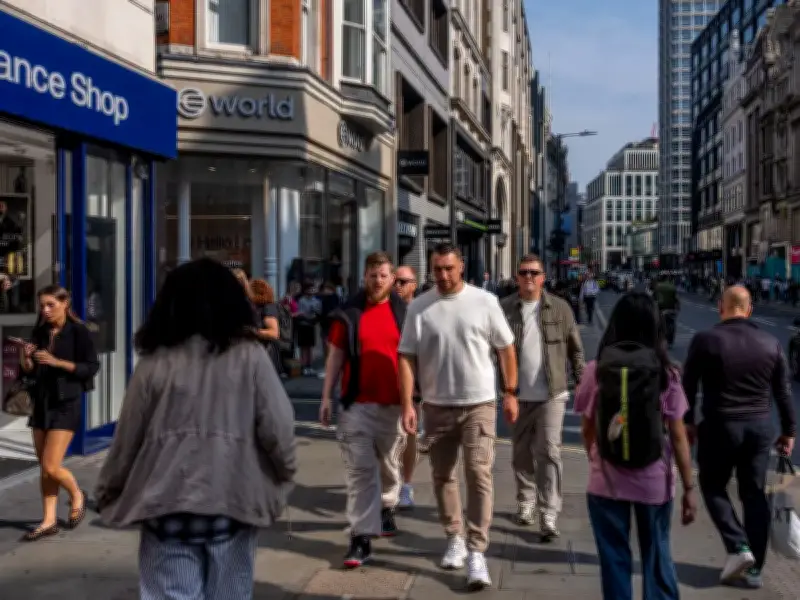
Oxford Street has been officially pedestrianised, with the first images released of London's transformed car-free shopping street. Nearly a kilometre of the iconic West End destination is now closed to traffic ahead of the Christmas shopping season.
London Mayor Lord Sadiq Khan described the pedestrianisation as "a truly momentous occasion for the capital", with the transformation arriving just in time for the busy Christmas period. Oxford Street generates an annual spend of around £3.1 billion and welcomes approximately half a million visitors every day.
Traffic restrictions and access
From Monday, almost a kilometre of the thoroughfare, stretching between Orchard Street and Great Portland Street, is completely traffic-free, with vehicles redirected onto surrounding roads. Buses, taxis, private hire vehicles, private motorised vehicles, cycles, scooters and pedicabs are no longer permitted to enter, while deliveries may only take place between midnight and 7am. Emergency services retain unrestricted access at all times.
The area has grown increasingly attractive as an office location following the arrival of the Elizabeth line. Lord Khan said he is confident the scheme will breathe new life into the area, drive economic growth and draw in visitors.
Mayor's vision for the street
Describing it as "a new vibrant destination", Lord Khan said: "I'm hugely excited to see my bold vision for Oxford Street coming to life from today. It is a truly momentous occasion for the capital."
He added: "For centuries, Oxford Street has reinvented itself, adapting to changing times and helping shape British culture along the way. There has been talk of pedestrianising Oxford Street for decades. After so many false dawns, and now working with a Government who share the scale of my ambition, I'm proud that we're finally unlocking a new era for the street."
He hopes the transformation will create opportunities for fresh experiences spanning sport, fashion and cultural happenings. "Revitalising Oxford Street will boost jobs and economic growth in the capital, unlock the full potential of this key part of the West End and help build a better, greener and more prosperous London for everyone," he said.
Concerns and support
The initiative is the opening phase of a pedestrianisation and broader regeneration scheme designed to position Oxford Street alongside leading global shopping destinations such as Times Square, the Champs-Élysées and La Rambla. However, detractors have argued the proposal is overly hasty, with concerns that redirected traffic will worsen congestion elsewhere.
Fresh bus stops have been positioned along Wigmore Street, Henrietta Place and Cavendish Place roughly 200 metres from the traffic-free zone. Westminster City Council's deputy leader believes Lord Khan is "rushing preparations". Councillor Tim Barnes has previously said: "If this is going to be the 'greener, better and more prosperous' success that the mayor has promised, then issues around access, air pollution, street cleaning and public safety need answers urgently. Right now there's a danger that we will have all of the downsides and too little upside. Traffic will be pushed to the small streets nearby causing economic and environmental harm."
London transport commissioner Andy Lord suggested the scheme would create a safer environment for people to enjoy the shopping and leisure facilities. He added that "we will be closely monitoring these changes to make sure they are working for everyone and supporting the continued economic growth London needs". Housing, Communities and Local Government Secretary Angela Rayner said: "This marks an exciting new chapter for Oxford Street, creating a greener, more vibrant place that will attract visitors and investment, support businesses and jobs, and drive growth in the heart of our capital."
Retailer backing and future plans
The proposals have won support from major retailers including John Lewis and Selfridges, who both described it as "exciting", alongside Under Armour and Grosvenor Property, as well as organisations such as UK Hospitality and the New West End Company. Savills co-head of global retail Sam Foyle said: "Alongside significant investment, it sends a powerful signal about the street's future, further strengthening Oxford Street's position as a world-class retail destination for leading global brands."
Limited construction work will take place in the coming weeks to minimise disruption during the busy Christmas trading period. By the end of spring 2027, visitors should see more than 50 new trees planted, two new public squares created and improved signage installed. More than 100 new seats, dining tables and new lighting are also set to be put in place.
Oxford Street Development Corporation (OSDC) chief executive Nabeel Khan said: "The transition phase is a vital opportunity for us at OSDC to test ideas, learn from people's experiences and work closely with local communities, businesses and accessibility groups to ensure the future street is as welcoming and inclusive as possible."