As the clocks change and days shorten, October still offers warm soil for planting, even as tidying up takes much of your time. Gardeners can harvest leeks, main crop potatoes and carrots, and order cheaper bare-rooted shrubs, including roses, for planting during their dormant period.
Three plants to prune
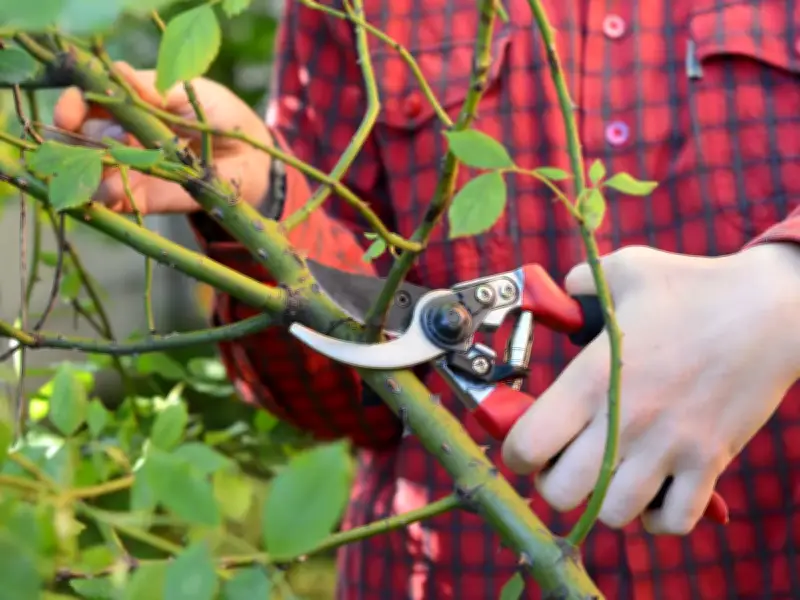
Roses, buddleia (butterfly bush) and lavatera tree (tree mallow) should be pruned now. Tough shrubs such as buddleia and lavatera can be cut back by about half their height to prevent wind-rock damage and improve their appearance. Climbing roses can also be pruned before being tied in so autumn winds don't break the stems.
Six tasks to get done
First, refresh containers by replacing summer bedding with winter and spring displays of violas, heathers, winter-flowering cyclamen and miniature conifers. Mix in shrubs like small-leaved hebes and skimmia japonica, and add spring-flowering bulbs underneath, such as narcissi and grape hyacinth. For small pots, choose dwarf daffodil varieties. If skipping winter containers, wash and store them in a cool, dry, frost-free place.
Second, tidy beds and borders by weeding with a hoe, cutting back dead flower stems but leaving some seedheads for birds, and leaving borders less manicured to shelter wildlife. Plant bare-root woody plants, including roses, and divide overgrown perennials like hostas, helenium and Michaelmas daisies by lifting and splitting clumps, then replanting with organic matter.
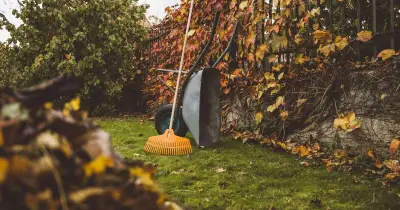
Third, rake leaves from lawns and borders, as diseased leaves can harm plant life and cover grass, blocking light and creating bare patches. Fallen leaves can also encourage slugs and snails. Add raked leaves to a compost heap or pack them into ventilated bin liners, leaving them for about 12 months to become crumbly black organic matter. Alternatively, build a leaf mould bin from chicken wire secured with four posts.
Move tender plants and harvest crops
Fourth, move half-hardy and tender plants like pelargoniums, some salvias and fuchsias indoors, cutting them back to around half their height. Dig up border plants, pot them and bring them inside. Plants difficult to move, such as bananas or tree ferns, may benefit from wrapping in horticultural fleece. The RHS advises saving previous seasons' growth on tender plants like penstemon until spring for frost protection. Some dahlias need lifting after the first frost and storing in dry wooden trays, then in peat-free compost, though many gardeners leave them in the ground under a thick mulch.
Fifth, continue harvesting leeks, carrots, main crop potatoes, autumn cauliflowers and other vegetables, but watch the weather as some may spoil in a wet autumn or early cold snap. Cut back French and runner beans but leave roots in the ground for nitrogen-fixing fertiliser. Dry potatoes in the sun for a few hours, then store in hessian or thick paper sacks in the dark. Leave carrots and parsnips in the ground until needed, but dig them up if very wet. Cover late-sown crops like lettuce and pak choi with horticultural fleece.
Sixth, clear spent plants including tomatoes, aubergines and courgettes onto the compost heap, then dig over the veg patch, adding compost or well-rotted manure. Towards the end of the month, start planting garlic and autumn onion sets, create new strawberry beds, pick apples and pears for storing, and prune blackberries.