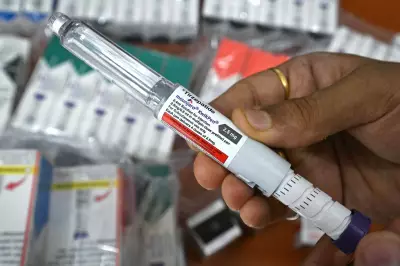
The widespread adoption of GLP-1 weight-loss medications, now used by 12 per cent of Americans, is fundamentally altering eating habits across the nation and reshaping the entire food industry. While fast-food chains and snack companies face projected revenue losses in the billions due to this significant shift, producers of tangy, sweet or fiery sauces are experiencing a remarkable surge in demand.
An Unexpected Culinary Revolution
This surprising trend has made condiment manufacturers highly attractive in the mergers and acquisitions market, according to industry dealmakers who are closely monitoring these developments. Japanese barbecue sauce brand Bachan's and popular hot sauce maker Tapatio have both changed hands within the past two months alone. These companies commanded above-average valuations in competitive auction processes that drew multiple bidders, sources close to the deals have revealed.
Major Acquisitions Signal Market Confidence
The Marzetti Company, a prominent specialty food products manufacturer, acquired Bachan's last month for approximately $400 million. Bachan's reported net sales of $87 million in 2025, demonstrating strong market performance. During an earnings call on February 3, following the acquisition announcement, Marzetti CEO David Ciesinski informed investors that Bachan's was strategically positioned as "GLP-friendly."

Meanwhile, Dallas-based private equity firm Highlander Partners purchased California-based Tapatio in late January for an undisclosed sum, touting it as the No. 5 hot sauce brand in the United States. Highlander Partners President and CEO Jeff Hull said in the official announcement that Tapatio was "poised to benefit from several secular trends that are dramatically reshaping consumer food choices."
The Science Behind the Sauce Surge
There's compelling scientific evidence behind this culinary phenomenon. Patients taking GLP-1 medications have, in multiple studies, reported that the drugs are significantly dulling their taste buds. Richard L. Doty, a distinguished professor at the University of Pennsylvania and director of the Smell and Taste Evaluation Center, found that GLP-1s substantially alter the body's sense of taste, according to a recent comprehensive study.
Researchers led by Doty wrote in the March 2025 ScienceDirect Journal that the medication significantly dulls all five basic tastes: sweet, salty, sour, bitter and savory. This sensory alteration is driving consumers toward more intensely flavored condiments to compensate for their diminished taste perception.
Protein Focus Creates Condiment Opportunities
Among the key trends driving this shift is the rise in healthy, lean protein consumption. GLP-1 drugs can sometimes cause muscle atrophy, leading some users to deliberately bulk up with proteins, which often spurs home chefs to raid the cupboard for dry rubs or flavorful marinades.
"The move towards protein, particularly meats and eggs, as well as vegetables and other healthier parts of the food pyramid – they don't always naturally have a lot of flavor," explained Justin Craig, managing director and head of food and beverage at investment bank Moelis. "So, as people move away from processed foods to more wholesome areas, those naturally are an opportunity for a lot of these sauces and seasonings."
With the increased emphasis on lean protein in contemporary diets, Ciesinski noted there's been a substantial rise in chicken consumption across the country. "And we all know that chicken tastes like chicken, so it begs for flavor," he stated in a recent communication to Reuters. He emphasized that Bachan's was "a perfect complement to our other brands," which include Caesar Cardini's salad dressing and Marzetti's own established line of condiments.
This culinary transformation represents one of the most unexpected consequences of America's pharmaceutical revolution, proving that when medications change how we taste, the entire food industry must adapt accordingly.