White vinegar has cemented its place as a beloved, natural cleaning staple in British homes, prized for cutting through grease and dissolving limescale. However, a leading expert is issuing a stark warning: its acidic power can cause irreversible and costly damage to several common surfaces.
The Hidden Dangers of a 'Miracle' Cleaner
Dale Smith, the founder of Fence Guru, cautions that the widespread perception of vinegar as a universally safe cleaner is a dangerous misconception. "Vinegar has become this miracle cleaner in people's minds, but I see the damage it causes all the time," Smith stated in an interview on January 13, 2026. "People think that natural means safe for everything, but vinegar's acidity can permanently ruin expensive surfaces that cost thousands to replace."
He has identified five key areas in the home where white vinegar should be strictly avoided to prevent long-term harm.

Surfaces at Risk: From Worktops to Appliances
1. Granite, Marble, and Quartz Worktops
Despite their sturdy appearance, premium stone surfaces like granite, marble, and quartz are highly vulnerable to acidic substances. Using vinegar can create dull, etched patches that are impossible to polish out. "I've seen beautiful granite kitchens ruined by well-meaning homeowners," Smith lamented. The resulting white marks signify permanent damage often requiring professional restoration. For daily care, use a pH-neutral stone cleaner or simply warm water with a soft cloth.
2. Hardwood Floors
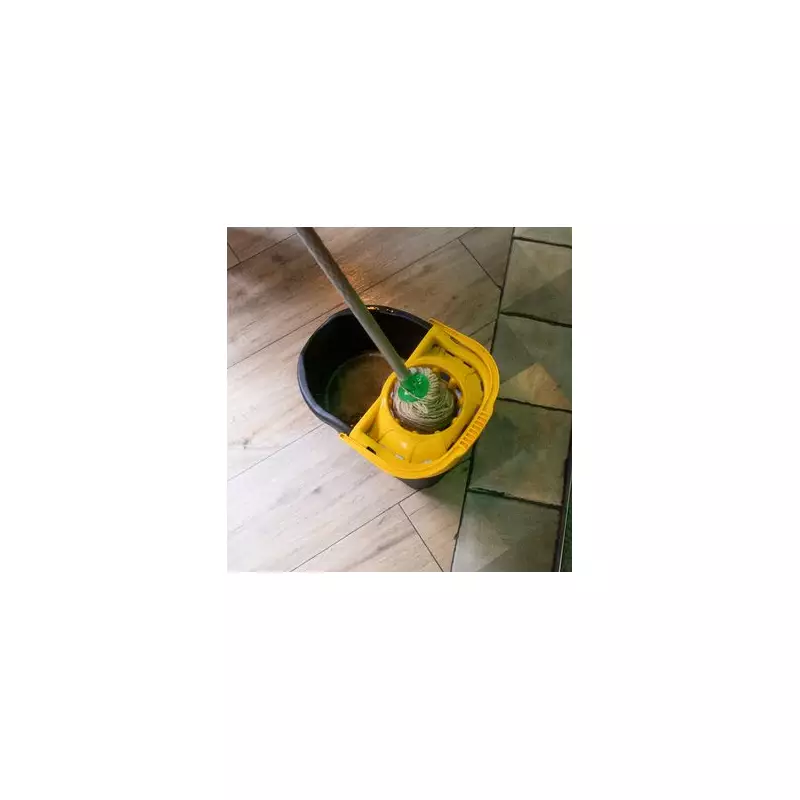
Applying vinegar to sealed hardwood floors is a recipe for deterioration. The acid strips away the protective sealant, leaving the bare wood exposed to moisture, stains, and warping. "Your floors lose the shine because you're literally eating away at the protective layer," Smith explained. Once this coating is compromised, the only solution is an expensive sanding and refinishing job.
3. Natural Stone Patios and Outdoor Surfaces
Garden patios made from limestone or sandstone suffer similarly. The acetic acid in vinegar gradually breaks down the stone, causing erosion and pitting. A gentle soap solution or a careful pressure wash are far safer alternatives for outdoor cleaning.
4. Washing Machines and Dishwashers
Contrary to popular DIY advice, running vinegar through your appliances to descale them can do more harm than good. The acid corrodes critical internal components, including rubber seals, gaskets, and hoses, which can lead to leaks and mechanical failure. Always use descaling products specifically designed for your appliance model or follow the manufacturer's manual.
5. Cast Iron Cookware
The prized, non-stick 'seasoning' on a cast iron pan is a layer of polymerised oil. Vinegar's acidity can strip this protective coating away, leaving the iron bare and prone to rust. To clean cast iron, use coarse salt and a brush, then reapply a thin layer of oil to maintain its seasoning.
Choosing the Right Cleaner for the Job
The key takeaway from Dale Smith's warning is that no single cleaner is suitable for every task in the home. While white vinegar is effective and eco-friendly for many purposes, such as cleaning glass or descaling kettles, its potent acidity demands respect. Homeowners should always consider the material they are cleaning and opt for the appropriate, often milder, product to avoid causing expensive, permanent damage to their belongings.