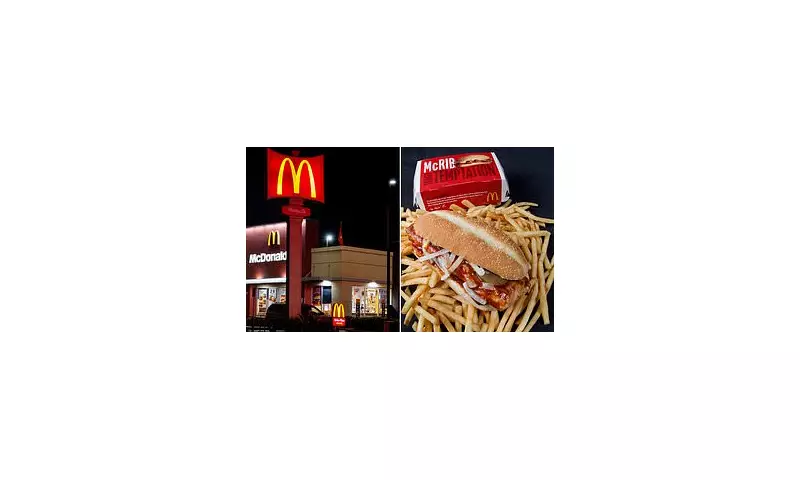
Fast-food giant McDonald's is facing a significant legal challenge in the United States, as a class action lawsuit alleges its cult favourite McRib sandwich is deceptively marketed. The suit, filed in federal court, claims customers are misled into believing the product contains real pork rib meat.
The Core of the Legal Complaint
On December 23, 2025, four individuals – Peter Le, Charles Lynch, Dorien Baker, and Derrick Wilson – initiated the legal action. They argue that the sandwich's name and its distinctive patty shape, which mimics a rack of ribs, deliberately lead reasonable consumers to assume it is made from prime rib meat.
The complaint starkly alleges the patty is instead composed of what it terms "lower-quality" pork cuts. These are said to include pork shoulder, heart, tripe, and scalded stomach. The plaintiffs have put forward 16 separate legal claims against the chain, including accusations of fraud, breach of warranty, and violations of various state consumer protection laws.

McDonald's Firm Rebuttal and Pricing Dispute
McDonald's has issued a robust defence against the allegations. In a statement, the company insisted the McRib uses "100 percent boneless pork" and called the lawsuit a distortion of the facts. "Food quality and safety are at the heart of everything we do," a spokesperson said, adding they are "transparent about our ingredients."
The chain explicitly denied using pork hearts, tripe, or scalded stomach in the McRib patty, stating these ingredients are not permitted in any of its pork products. The legal filing, however, contends this alleged misrepresentation allowed McDonald's to sell the limited-time item at a premium. Data cited claims the McRib averaged $5.63 in December 2024, sometimes reaching $7.89, making it pricier than many of the chain's beef burgers.
Broader Implications for Consumers
The lawsuit seeks to represent every consumer who purchased a McRib in the four years preceding its filing. It aims for financial damages, restitution, and court orders to change the product's marketing. If the class is certified, millions of customers could potentially join the action.
Furthermore, the complaint criticises McDonald's marketing strategy, arguing the company "cultivated a sense of anticipation" around the sandwich's sporadic availability, using "its scarcity to drive sales." This case places a spotlight on the fast-food industry's promotional practices and the expectations they create among the British and global public. The outcome could influence how products are named and advertised to consumers in the future.