It's a facial expression most baristas will recognise: the deer-in-the-headlights confusion of a new customer staring blankly at the menu, trying to decipher words like 'cortado', 'piccolo' or 'long black'. Out of sheer awkwardness, they might order a black coffee, not realising even that could mean an Americano or a filter. These customers are overly polite, afraid of wasting time – yet nothing makes a barista happier than talking about coffee. Provided the queue isn't piling up, these are the customers baristas love.
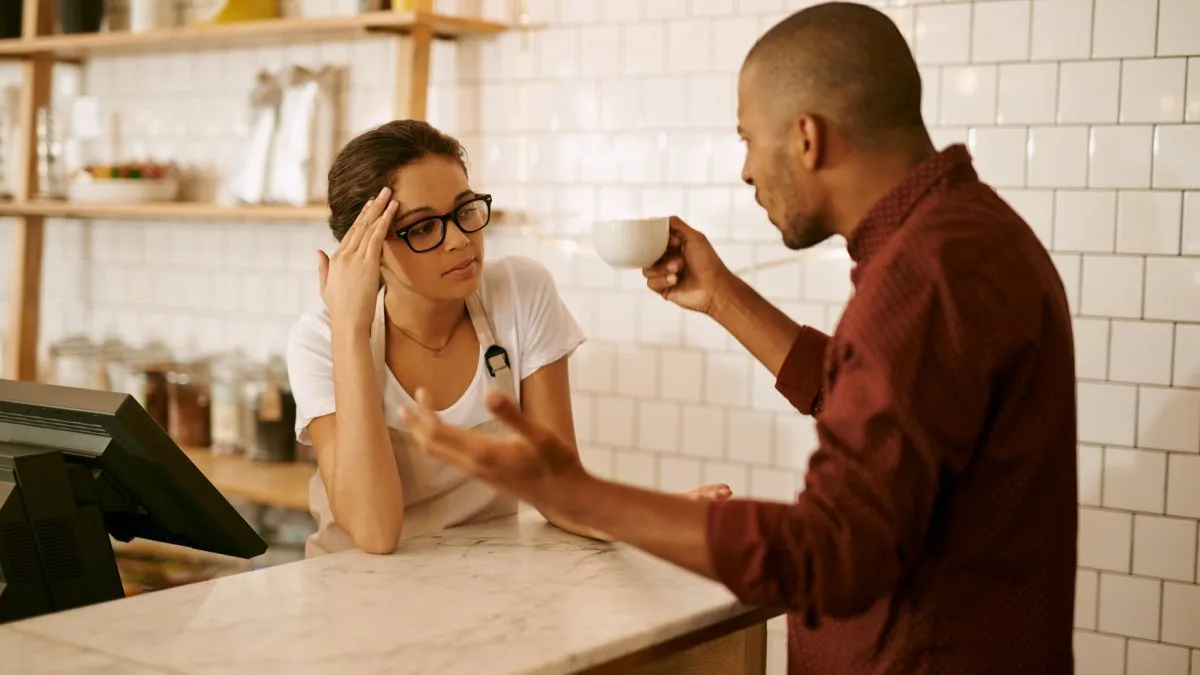
Instead, it's the 'don't talk to me before I've had my coffee' crowd that baristas actively dislike. People who order 'a coffee' and get frustrated when the barista can't read their mind are among the worst offenders. Then there are the 'mansplainers', adamant that Starbucks macchiatos (too much milk, too much caramel) are correct, or that cappuccinos must have chocolate on top – an Americanisation of the Italian classic.
Even more frustrating are those on the phone – usually businessmen in expensive suits. Baristas don't expect them to hang up for a 20-second interaction, but pausing the conversation long enough to order is basic courtesy. Similarly, headphone wearers often walk off with someone else's coffee because they didn't hear the order called, leaving the barista to remake two drinks.
The 'customer is always right' mentality misses the point: hospitality is a two-way street. The more polite you are, the quicker the barista will fix a problem. Treating staff like idiots doesn't help. If you're in a rush, go to Starbucks or Pret – don't huff impatiently when your drink takes time. And don't bark orders while the barista is steaming milk for the customer before you; you'll lose your place in the queue.
Common sense goes a long way. Treat baristas well, and they're more likely to remember your order or pour ambitious latte art for your Instagram. Having a chat with a regular is a joy, but baristas also understand if you just want your coffee and go. Life is tough; getting you caffeinated is all they hope to do – just don't ruin their day in the process.