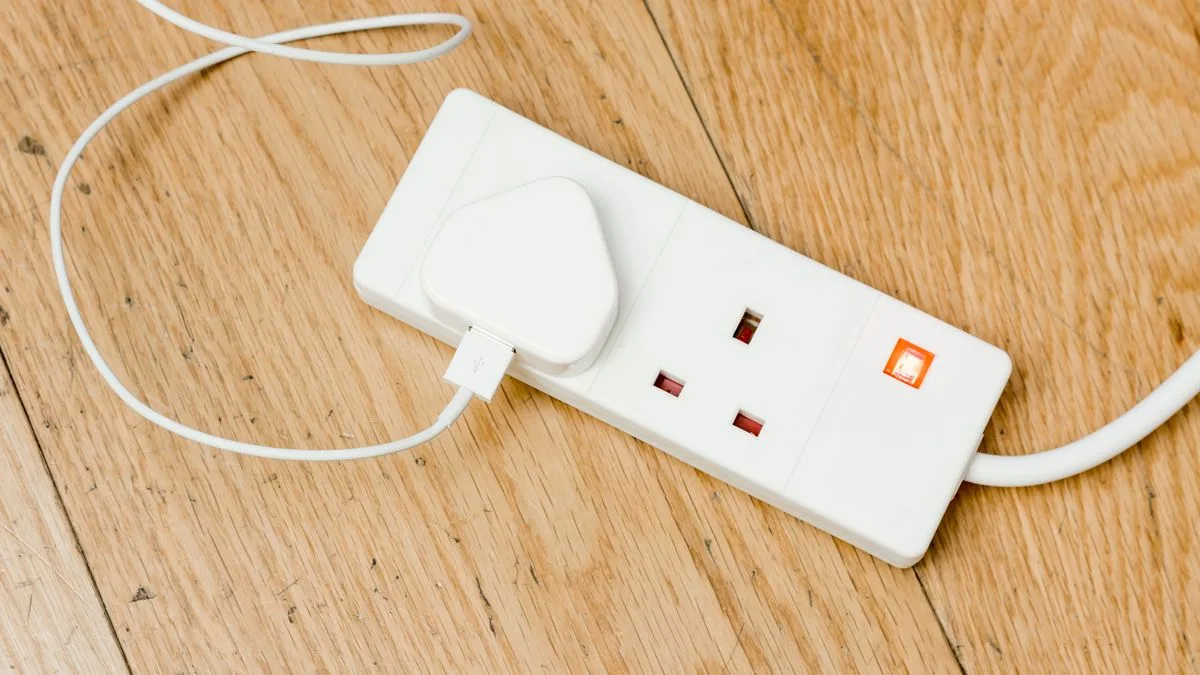
As temperatures plummet across Britain, experts are urging households to avoid a common mistake with portable electric heaters that could lead to fires. Specialists at DRA PAT Testing have issued a stark warning: never plug any type of electric heater into an extension lead.
In guidance published on their website, the company stressed: “We cannot stress the importance of this enough – please, please, please do not, ever, plug electric heaters (of any kind) into extension leads. Please only plug heaters directly into the mains sockets.” They also advised turning heaters off when not in use and considering more efficient permanent heating options if a room remains cold.
The warning follows an incident at an office where a heater plugged into an extension lead caused the socket to overheat and melt. “Technically it did catch fire, although no actual flames were seen,” the experts noted, sharing an image of the burn damage. Electrician Adam Nelson echoed the advice, telling Homes and Gardens that space heaters should always be plugged directly into outlets to avoid overloads and reduce fire risk.
DRA PAT Testing’s four essential safety recommendations include: plug heaters directly into wall sockets, never use extension leads, turn heaters off when not in use, and consider permanent heating solutions for better efficiency.