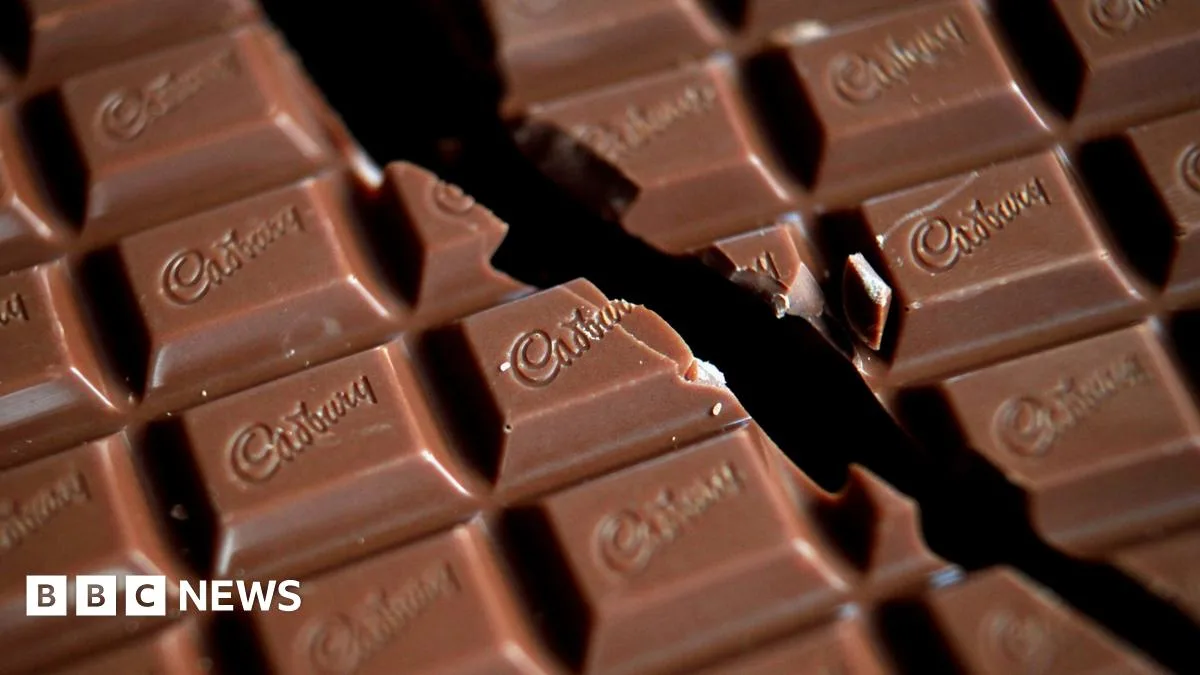
As the UK prepares for the EU referendum, questions arise over the future of British chocolate. EU rules require chocolate to contain at least 30% cocoa, compared to just 10% in the US, which many believe gives British chocolate its distinctive taste. Professor Mike Gordon, emeritus food scientist at the University of Reading, notes that high cocoa content is key to good flavour.
Cadbury's chocolate, made at Bournville since 1905, contains up to 5% vegetable fats under EU law, a practice not followed in the US. If Britain leaves the EU, there are concerns that owner Mondelez International might alter the recipe or move production. Mondelez has invested £75m in Bournville and calls it "the heart and home of Cadbury," but remains tight-lipped on potential recipe changes.
Chocolate expert Dom Ramsey believes small producers would be hardest hit by Brexit, facing higher import duties. He argues that major companies work to maintain consistent flavours, making noticeable changes unlikely. However, BBC blind taste tests reveal clear differences between US and UK chocolate, with British tasters describing US Cadbury as having a "chemical fruity taste."
Historically, the UK won a 27-year battle in 2000 to allow British chocolate with up to 5% vegetable fats across the EU. Chocolate consultant Jennifer Earle suggests this exception is what Britons prefer, and leaving the EU may have little impact on taste. Nonetheless, the outcome of the referendum could influence future production and recipes.