American Airlines Faces Lawsuit Over Severe Allergic Reaction on Transatlantic Flight
A Texas resident with a documented life-threatening tree nut allergy has filed a federal lawsuit against American Airlines, claiming she narrowly survived a severe anaphylactic reaction caused by an in-flight meal during a transatlantic journey last autumn. Heather Wing, 48, alleges that flight attendants repeatedly attempted to serve her items containing nuts despite clear warnings about her allergy, culminating in what she describes as a "near-death experience" from contaminated dumpling sauce.
Multiple Alleged Safety Failures During Anniversary Trip
According to legal documents obtained exclusively by The Independent, Wing and her husband Brent were returning to Dallas-Fort Worth from Paris on August 26, 2025, following their fifth wedding anniversary celebration. Despite Wing's traveler profile noting her severe allergy and verbal reminders to cabin crew, she claims a flight attendant first offered her a bag of mixed nuts, then later presented a mixed salad containing walnuts. Both items were refused.
"The last meal of the flight, I asked him if either of the items had any nuts because there was nothing denoting tree nuts on the menu," Wing told The Independent. "He said I was going to be fine with the dumplings."

However, the chicken-and-vegetable gyoza came with a dipping sauce that allegedly contained ground tree nuts. Wing consumed the dumplings, triggering what she called "the most terrifying allergic reaction I had ever had."
Delayed Emergency Response and Passenger Intervention
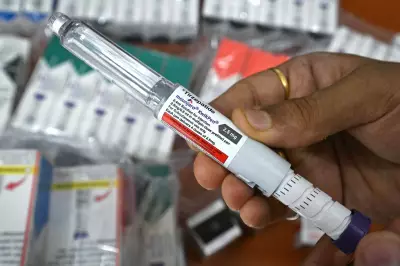
The complaint details a harrowing sequence of events after Wing began experiencing anaphylaxis. "When I hit the flight attendant button, no one came to help me for what seemed like four or five minutes, and my throat was swelling shut," Wing recounted. "I couldn't reach my handbag, as I was running out of breath, and my EpiPen was in my handbag."
Brent Wing, an Army veteran who witnessed the incident from the adjacent seat, described watching his wife's face turn blue while feeling helpless to intervene. "I never thought I was going to ever lose her more than I did that day," he said.
According to the legal filing, Wing eventually accessed her EpiPen but found it insufficient. Her Benadryl was in her carry-on luggage, which had been checked by the airline. The complaint states that cabin crew finally made a public address asking for medical assistance, prompting intervention from two physician passengers—one retired and one currently practicing—who provided emergency care using their own medical supplies.
Legal Claims and Alleged Violations
The lawsuit, filed February 6 in U.S. District Court for the Northern District of Texas, contends that American Airlines violated both the Americans with Disabilities Act and the Air Carrier Access Act. Severe food allergies are generally recognized as disabilities under federal law when they substantially limit major life activities like breathing and eating.
"American demonstrated a pattern of negligence and egregious errors," the complaint alleges, arguing the airline failed in its "duty of care... to provide safe service and respond to foreseeable medical emergencies."
Heather Wing claims to have suffered physical injury, emotional trauma, and ongoing medical complications from the incident. Brent Wing, who suffered a stroke in 2023, allegedly continues to experience extreme emotional distress and mental anguish from witnessing his wife's medical emergency, with the complaint stating he has been deprived of the "companionship, support, and intimacy of his spouse."
Compensation Dispute and Additional Travel Woes
Following the incident, the Wings sent American Airlines a demand letter in September 2025 seeking reimbursement for costs and $50,000 in compensation for what they called "catastrophic mishandling of their anniversary trip." The airline reportedly countered with an offer of 30,000 frequent flyer miles for delayed baggage and a $775.59 refund.
The couple's travel difficulties extended beyond the medical emergency. Their luggage was allegedly lost for nearly a week after the flight, compounding their distress. When negotiations failed, the Wings initially filed suit pro se before retaining legal representation.

Damages Sought and Policy Changes Demanded
The lawsuit seeks compensatory damages for past and future medical expenses, emotional distress, and loss of consortium, along with punitive damages. Additionally, the plaintiffs are requesting an injunction that would require American Airlines to implement comprehensive allergen training for staff and improve menu labeling practices.
The complaint also seeks pre- and post-judgment interest, court costs, and attorney fees. American Airlines did not respond to requests for comment on Friday regarding the allegations.
This case highlights ongoing concerns about airline accommodation of passengers with severe allergies and the adequacy of emergency response protocols during in-flight medical incidents. The Wings' experience underscores the potentially life-threatening consequences when food allergen information is inadequately communicated or ignored during air travel.