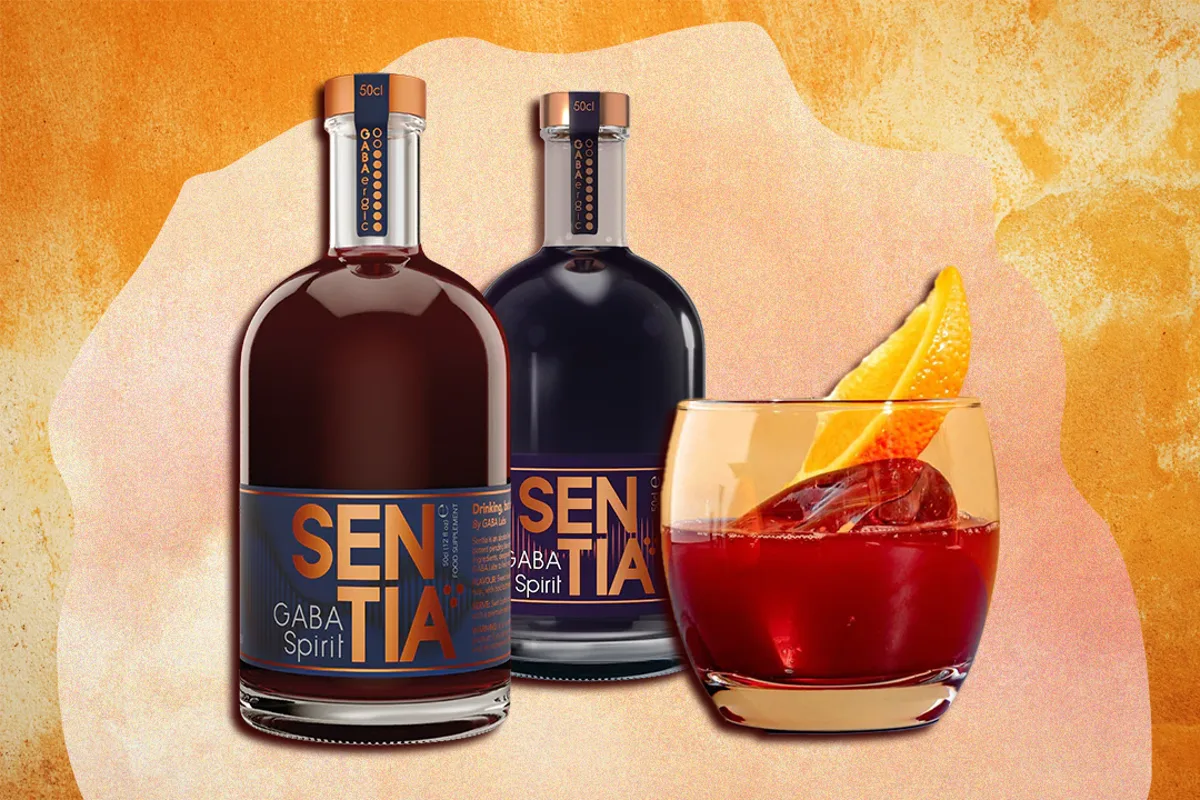
The demand for sophisticated non-alcoholic beverages continues to surge, driven by the sober-curious movement among younger generations. While many alternatives focus on replicating the taste of wine, beer, or spirits, a new product aims for a far more ambitious target: mimicking the relaxing, sociable buzz of alcohol without the negative consequences.
The Science Behind the Buzz: GABA Spirits Explained
This innovation comes from GABA Labs, co-founded by the renowned neuropsychopharmacologist Professor David Nutt of Imperial College London. The former government drugs advisor, famously dismissed in 2009 for comparing the harms of legal and illegal substances, has long researched a synthetic alternative to alcohol. In 2021, his work culminated in the launch of Sentia Spirits, marketed as the world's first plant-based, non-alcoholic spirit designed to induce a mild, tipsy feeling.
The key lies in targeting the brain's GABA system. GABA (gamma-aminobutyric acid) is a neurotransmitter that produces calming effects. Alcohol molecules enhance this system, leading to relaxation. Sentia's formulation uses a blend of botanicals and herbs—like valerian root, passionflower, and magnolia bark—that are believed to promote or enhance GABA activity. "We've spent years researching the biochemistry of herbs," Nutt explains, stating the goal was to develop an "effective alternative to drinking low levels of alcohol."
Putting Sentia's Three Spirits to the Test
Sentia currently offers three variants, each with a different profile. We conducted real-world tests to see if the science translated to experience.
Sentia Red, the original 2022 release, is designed for relaxation. It boasts a fruity, berry-led flavour with herbal depth. Our tester found it pleasantly tangy and effective, delivering a noticeable sense of shoulder-loosening composure akin to a first sip of wine. The effects lasted roughly an hour.
Sentia Black, launched in 2023, aims to boost focus and energy. Its dark, tar-like appearance is matched by a strong, medicinal, and spicy flavour that our group found challenging. However, after about ten minutes, a definite buzz was felt—a woozy, head-high similar to a gin and tonic. The effect lasted around 40 minutes without any next-day side effects.
The newest addition, Sentia Gold (2024), is formulated for social connection. It presents a bitter orange and citrus flavour. While divisive on taste, its impact was pronounced, making our test group significantly chattier and lifting the general mood within half an hour, marking it as the most potent in the range.
The Future: Beyond Botanicals to Alcarelle
For Professor Nutt, Sentia is a proof-of-concept rather than an end goal. The ultimate aim is alcarelle, a patented GABA-enhancing molecule that could be licensed to major drinks companies. This would allow brands to add the desired effects to any non-alcoholic beer, wine, or spirit. GABA Labs hopes to complete FDA testing in the US by 2026, with a potential market launch by 2027.
Nutt acknowledges that effects vary, noting that heavy drinkers may experience less impact due to a desensitised GABA system. He also distinguishes Sentia from popular CBD drinks, arguing the quantities in CBD beverages are insufficient to produce comparable effects.
The verdict? Skepticism turned to surprise. While the flavours, particularly Black's, can be an acquired taste, the GABA-enhancing botanicals in Sentia's spirits did produce a genuine, mild, and short-lived tipsy sensation. It's a fascinating glimpse into a future where the social and relaxing benefits of alcohol might be decoupled from its harms.