Airlines Rake in Billions from Oversized Baggage Fees as Charges Set to Rise
Airlines Rake in Billions from Oversized Baggage Fees

Airlines are generating unprecedented revenue by charging passengers premiums for oversized bags, and these fees are expected to climb further. Budget carriers such as Ryanair and easyJet, alongside long-haul operators like British Airways, rigorously enforce carry-on restrictions. Charges typically start around £5 for a larger cabin bag but can reach up to £70 if baggage is forced to be checked at the gate.

Jersey Airport Controversy

Jersey Airport recently faced backlash after it emerged that check-in staff were pressured to meet flight targets by imposing oversized baggage fees. A controversial sign at the airport encouraged staff to "hit EasyJet revenue target" of £200 per flight by slapping passengers with £48 fees for bags that failed to meet requirements, as reported by the Jersey Post. While Ports of Jersey stated the sign "used messaging that did not reflect the customer experience," easyJet denied any responsibility and demanded its removal.

Global Revenue from Baggage Fees

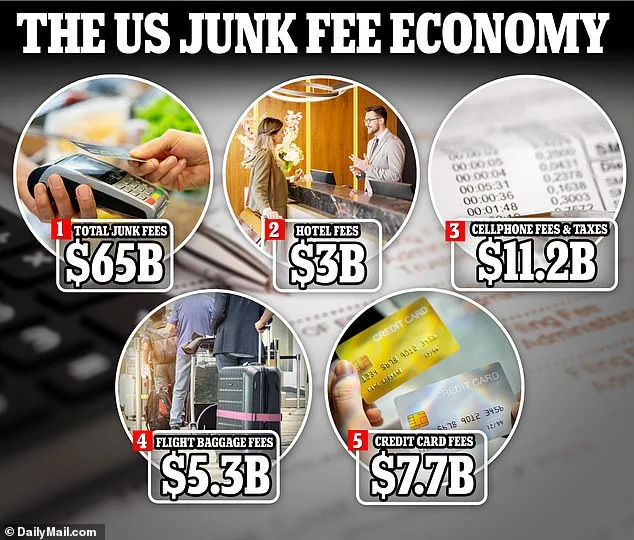
These penalties have significantly boosted airline profits. In 2023, airlines worldwide made a combined $33 billion (£24.3 billion) from oversized baggage fees alone, according to IdeaWorks. Experts warn that passengers could face even steeper costs if airlines continue to incentivise staff and rely on these fees, especially amid the jet fuel crisis that is straining airline profitability.

Wide Pickt banner — collaborative shopping lists app for Telegram, phone mockup with grocery list

Expert Insight

Alen Baibekov, CEO of Economy Bookings, predicts substantial increases in baggage charges. "There will continue to be large increases in baggage charges going forward. Factors such as rising fuel costs, higher aircraft maintenance, increasing airport costs, and intensified price competition among carriers are putting downward pressure on airline profitability," Baibekov explains. "Since most consumers primarily compare air travel costs based on the headline ticket price rather than ancillary fees, airlines have started charging for extras like baggage. Excess baggage creates tangible costs—taking up space, causing delays, and requiring more labour. Low-cost carriers are particularly aggressive with these fees as they become standard in their business model."

Airline-by-Airline Breakdown

Ryanair

Ryanair enforces one of the strictest baggage policies. Passengers are allowed one small personal bag (40 x 20 x 25 cm) free of charge, with higher fees for larger bags or those not booked in advance. The airline charges £12 per kilogram for overweight luggage, with flat fees of £40–£60 for 20 kg bags at the airport. Last year, it was revealed that staff receive bonuses for catching passengers with oversized cabin bags, earning up to €80 per month. A leaked payslip showed a former employee earned a "gate bag bonus" of around €1.50 per bag. In August, CEO Michael O'Leary planned to increase this bonus to €2.50 per bag from November 2025. Ryanair made €13 billion in revenue last year, with ancillary revenue reaching €4.72 billion (£4.07 billion) in 2025, including baggage fees, seat selection, and boarding penalties.

easyJet

easyJet allows a free cabin bag (45 x 36 x 20 cm, up to 15 kg) and standard hold bags up to 23 kg. Oversized or overweight bags at the gate incur a £12 per kilogram charge or a flat £48 fee. In July, it was revealed that airport staff at seven UK airports were offered £1.20 per oversized bag caught, as per a leaked email from Swissport. However, easyJet denied involvement in the Jersey Airport sign targeting £200 per flight in bag charges. The airline generated record ancillary revenue of approximately £3.3 billion in 2024.

British Airways

British Airways offers a generous free carry-on allowance (40 x 30 x 15 cm, up to 23 kg). Overweight bags incur a flat £65 fee, while bags over 32 kg are not accepted. The airline's total revenue in 2025 was £28.9 billion, with baggage fees contributing to that figure.

Vueling

Vueling permits a free underseat bag (40 x 30 x 20 cm) and a 10 kg overhead cabin bag (55 x 40 x 20 cm) for higher fares. Checked bags are available in 15–30 kg options. Oversized cabin bags incur a fee of €110–€140 (£95–£121), while oversized underseat bags cost €60–€75 (£52–£65). The airline generated over €1 billion from ancillary services in 2024.

Pickt after-article banner — collaborative shopping lists app with family illustration

Virgin Atlantic

Virgin Atlantic allows one free carry-on (23 x 36 x 56 cm), with checked bag allowances varying by ticket type. Overweight checked bags (23–32 kg) cost £65, while oversized bags incur a £200 fee. Both fees may apply if applicable. Total revenue in 2024 was £3.3 billion.

Wizz Air

Wizz Air permits a free under-seat bag (40 x 30 x 20 cm) and an optional larger bag with WIZZ Priority. Checked bags cost up to €120.50 (£104) in high season. Excess weight costs €13 (£11) per kilogram, and oversized carry-ons at the gate cost €65 (£56). A 2024 Which? study found that Wizz Air flights cost four times as much as advertised when extras are added. Total ancillary revenue in 2025 was €2.35 billion (£2.028 billion).

Aer Lingus

Aer Lingus allows a free carry-on (55 x 40 x 24 cm, up to 10 kg) for economy passengers. Checked bag fees range from £21 to £51, with excess weight charged at £8.60 per kilo and overweight bags incurring up to £64. Total ancillary revenue in 2025 was €2.82 million (£2.43 million).

What to Do If Wrongly Charged

Passengers who believe they were unfairly charged for compliant bags should complain immediately. Taking photos of the bag inside the sizer from multiple angles, including with a tape measure, helps. Airlines have online complaint forms, and passengers should provide booking details, proof of payment, and evidence of the bag. If the complaint is not handled fairly, contact the Alternative Dispute Resolution provider AviationADR, which offers free services authorised by the Civil Aviation Authority.