A major legal settlement has been reached, offering millions of American consumers compensation following allegations of a widespread conspiracy to inflate the cost of beef. Four of the largest meat processors in the United States were accused of colluding to drive up prices for their own profit.
Details of the Alleged Price-Fixing Scheme
The substantial $87.5 million settlement resolves claims against industry giants Tyson Foods, Cargill, National Beef, and JBS. A lawsuit alleged these companies formed a secret pact to artificially inflate beef prices and boost their profit margins over a period of several years. The legal action claimed this collusion unfairly overcharged everyday shoppers at the supermarket checkout.
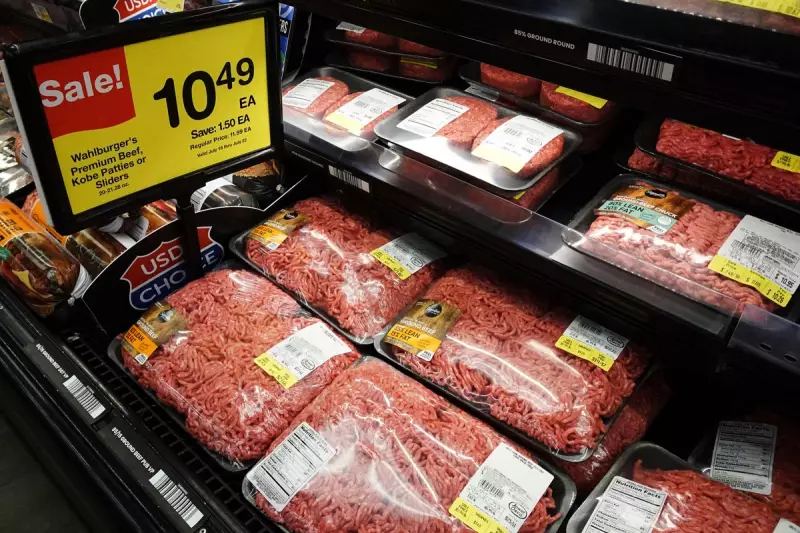
To be eligible for a payment, consumers must have purchased specific beef primal cuts for personal, household use from grocery stores between August 1, 2014, and December 31, 2019. It is crucial to note that purchases of premium cuts and ground beef are specifically excluded from this claims process.

How the Settlement Fund Breaks Down
The total settlement fund comprises significant contributions from two of the named defendants, though neither has admitted any wrongdoing. Tyson Foods contributed $55 million to the pot, while Cargill added $32.5 million. The litigation continues against the other two companies, National Beef and JBS.
Consumers across 26 U.S. states are potentially eligible to file a claim for a portion of this money. However, by submitting a claim, individuals waive their right to pursue separate legal action against Tyson Foods or Cargill regarding these specific allegations.
Key Dates and Next Steps for Consumers
The deadline for affected consumers to act is fast approaching. All claims must be submitted by June 30, 2026. Those who believe they qualify should seek out the official settlement website or claim forms to ensure their submission is processed correctly and within the allotted timeframe.
This case highlights ongoing scrutiny of pricing practices within major food supply chains. For eligible consumers, it represents a chance to recoup some of the extra costs they may have incurred during the five-year period in question.