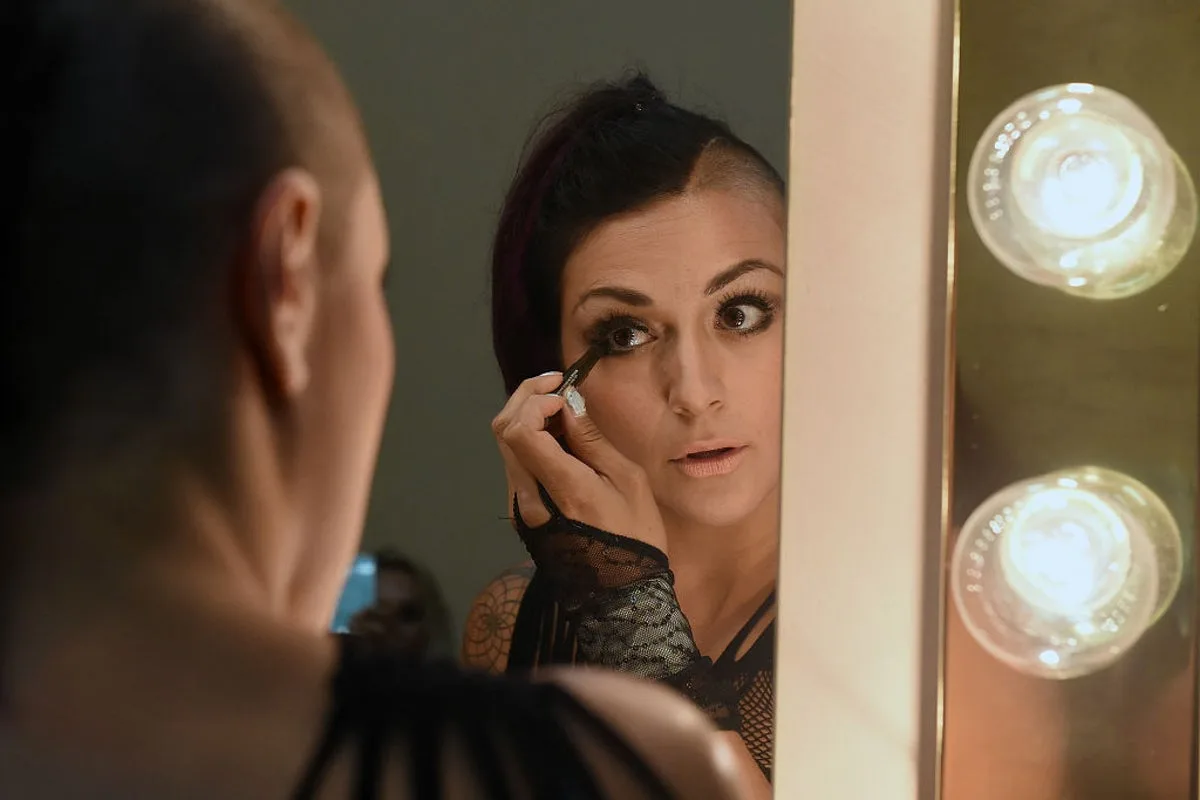
Almost half of American adults would be willing to go into debt to maintain their beauty and wellness routines if they lost their job, according to a March survey by beauty and wellness AI software platform Zenoti. Some 46 per cent of consumers aged 18 and older said they would incur debt to keep up their self-care habits.
Respondents indicated they would make other sacrifices for self-care, including curtailing their social life, delaying vacations, and reducing funds for savings and debt repayment. The survey found that people would most likely use credit cards to finance their appearance after a job loss.
The study also revealed that unemployment could spur even more beauty spending. Some 33 per cent of respondents said they increased their self-care routines due to workplace stress or burnout. Loneliness, financial stress, and major life transitions—all situations a job loss could create—are among the top reasons for increasing beauty and wellness spending. However, 45 per cent said they would reduce the frequency of beauty appointments.
The findings highlight the trade-offs Americans are making amid rising costs. While many prioritise self-care, they are cutting spending elsewhere. Around 40 per cent of Americans have dropped at least one streaming service in the past three months, according to a Deloitte study. Additionally, 61 per cent of US adults over 21 have reduced spending on eating out in the past year, and 52 per cent have cut back on clothes and shoes, per separate surveys.
The cost-cutting reflects widespread concern about household finances amid high gas prices and rising inflation. A Gallup poll published this week found that 55 per cent of consumers believe their financial situation is getting worse, compared to 49 per cent in 2008 during the Great Recession.